
Dr. Manoj Khanal is Best Neurologist in Delhi
Dr. Manoj Khanal is Best Neurologist in Delhi. With an Experience of 15+ years, Dr. Khanal offers treatment for Parkinson, Epilepsy, Headache & Migraine, Trigeminal Neuralgia, Brain Stroke, Alzheimer’s, Bell’s Palsy, and other neurological disorders.
About
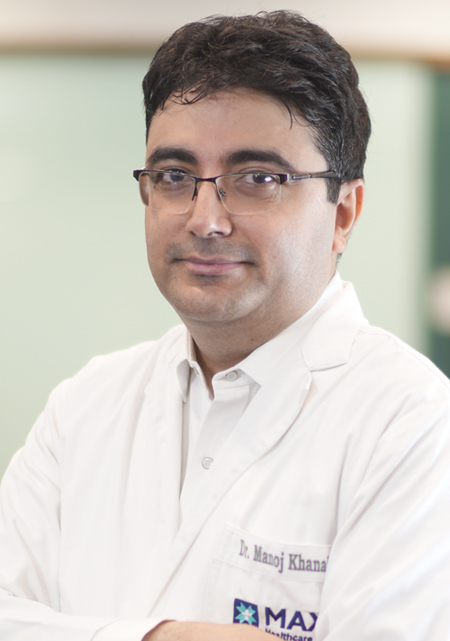
Dr. Manoj Khanal
Best Neurologist in Delhi
Dr. Manoj Khanal is a highly skilled Neurologist in Delhi and an innovator in treatments related to the Brain & Spine. He specializes in the treatment of Stroke and Intravenous Thrombolysis, Epilepsy, Headaches, Multiple Sclerosis, Parkinson’s Disease, Dementia, Lower Back Pain, Cervical Spondylosis, Nerve Problem, Muscle Problem, Spinal Problem, Eye Movement Problem, Myasthenia Gravis, Optic Neuritis, Guillane Barre Syndrome, Botox Treatment for various disorders. Over the years, he has been a mentor and guided many skilled & upcoming neurologists. His experience and proven abilities in neurology have ensured positive outcomes in both emergency and medical management of cases.
Achievements, Awards and Publications:
Treatments

STROKE

HEADACHE

EPILEPSY

PARKINSONS

DEMENTIA

ALZHIEMERS

MULTIPLE SCLEROSIS

NEUROMUSCULAR DISORDERS

Infections of the nervous system, like Encephalitis, Meningitis, and Brain Abscesses

Spinal cord disorders, including inflammatory and autoimmune disorders
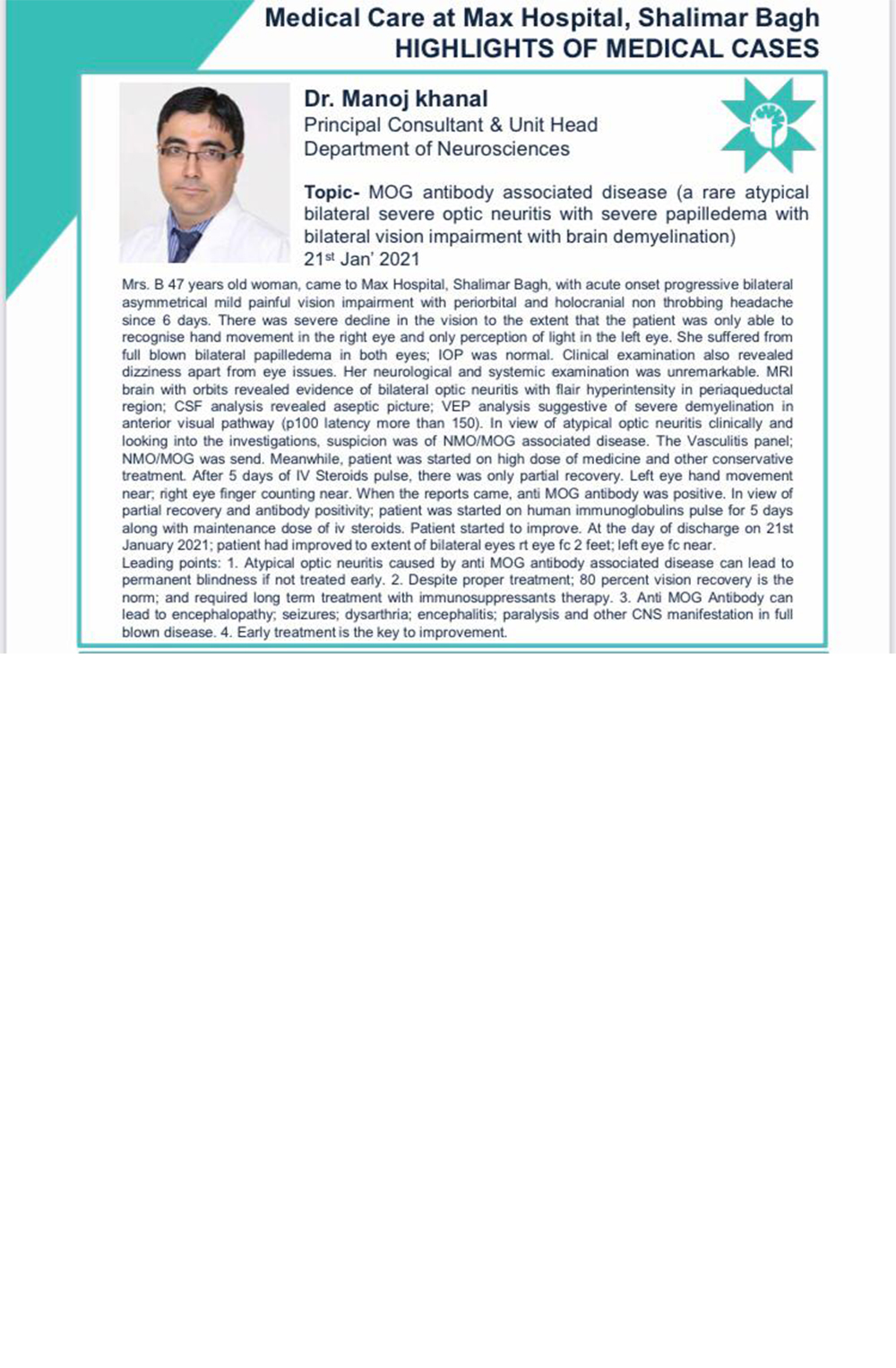
CHALLENGING CASES


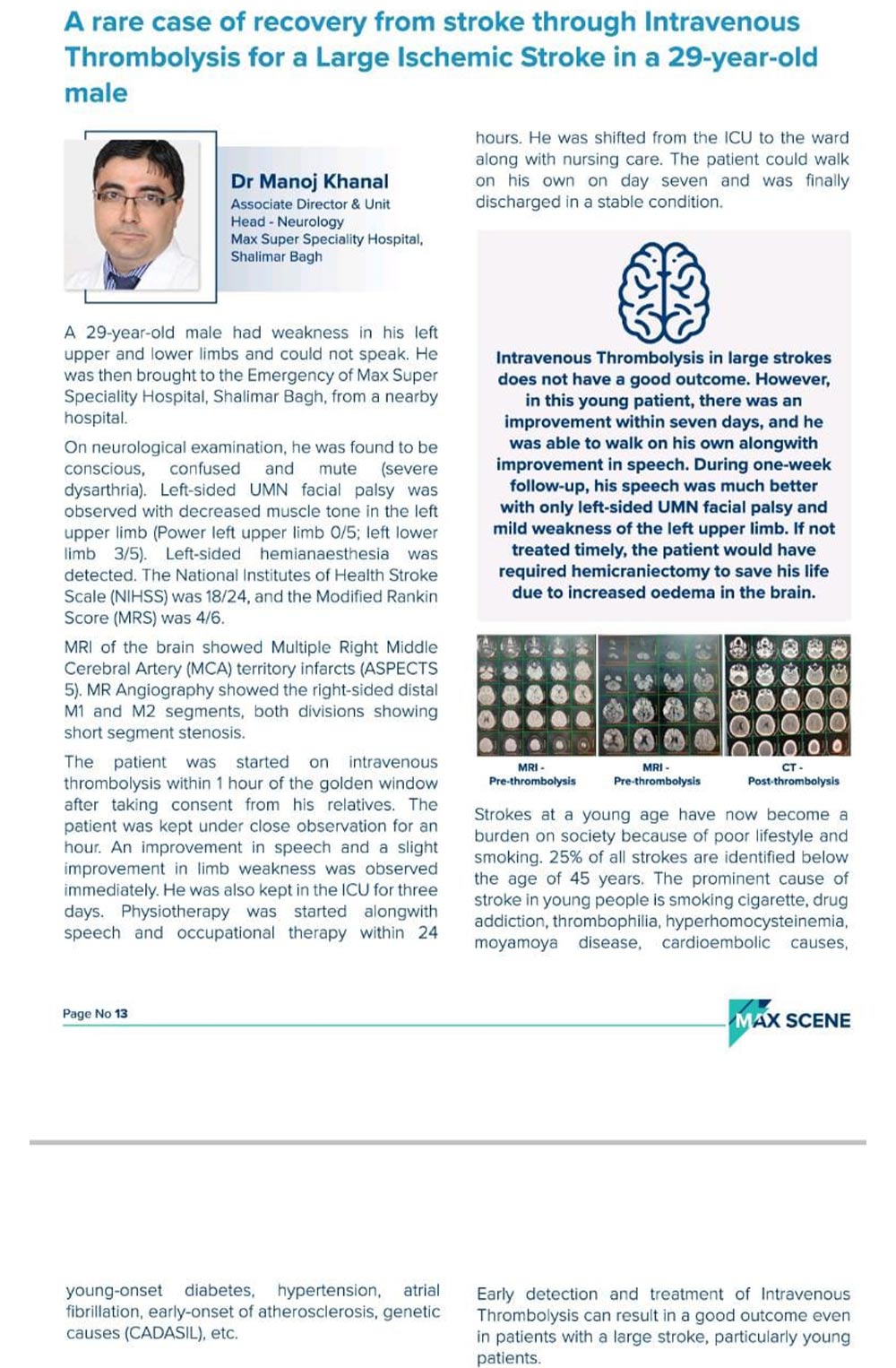
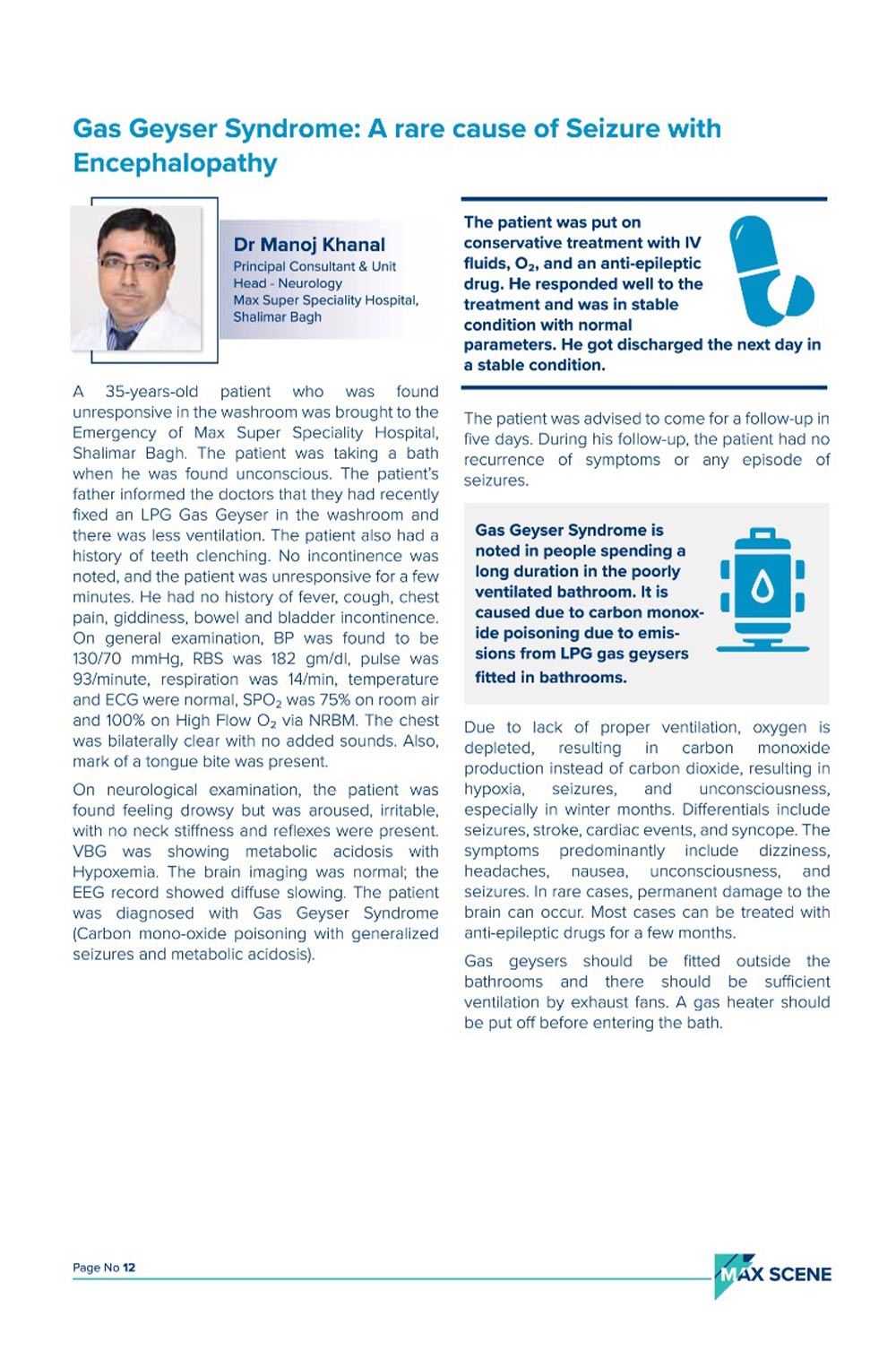
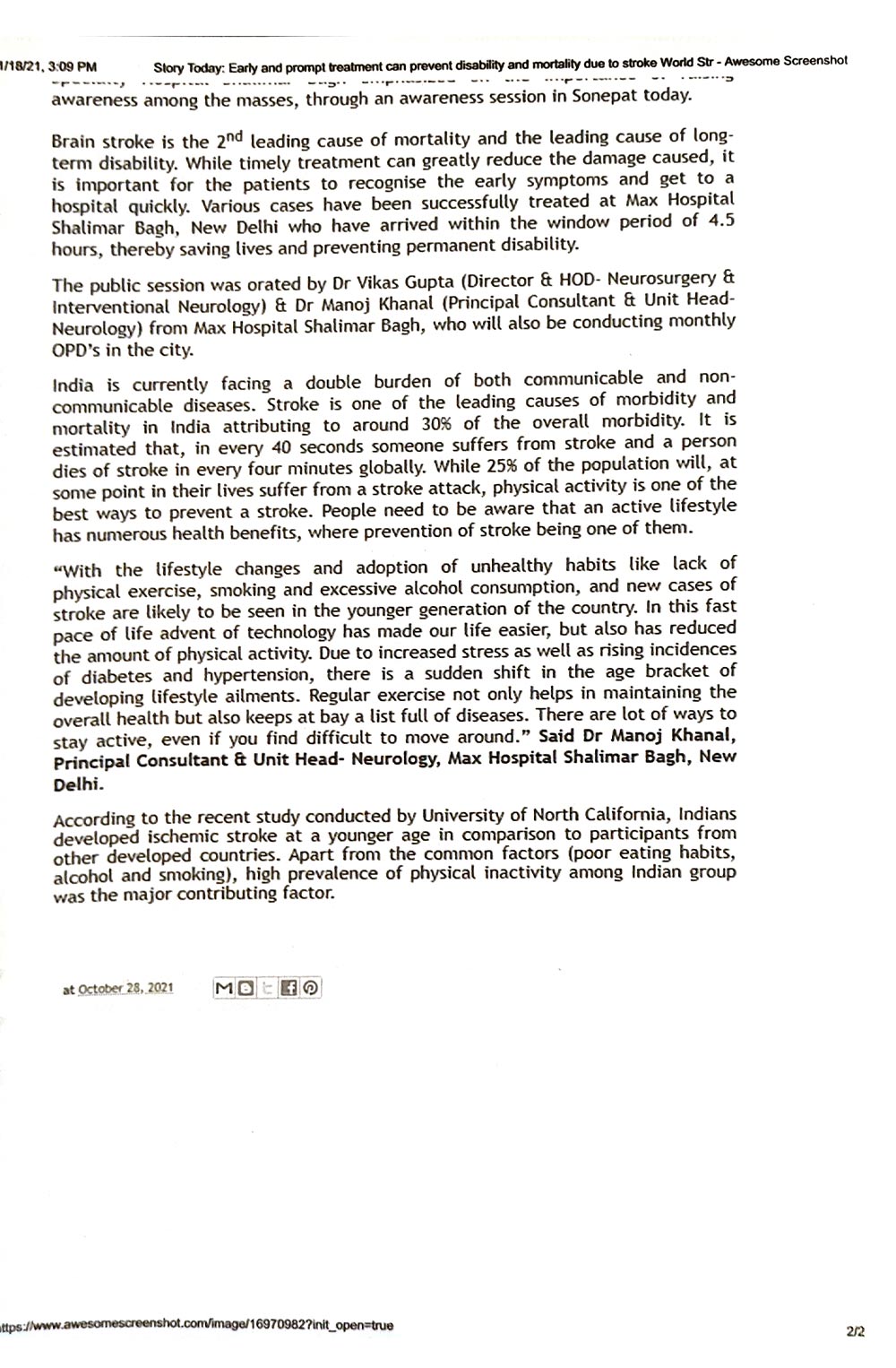
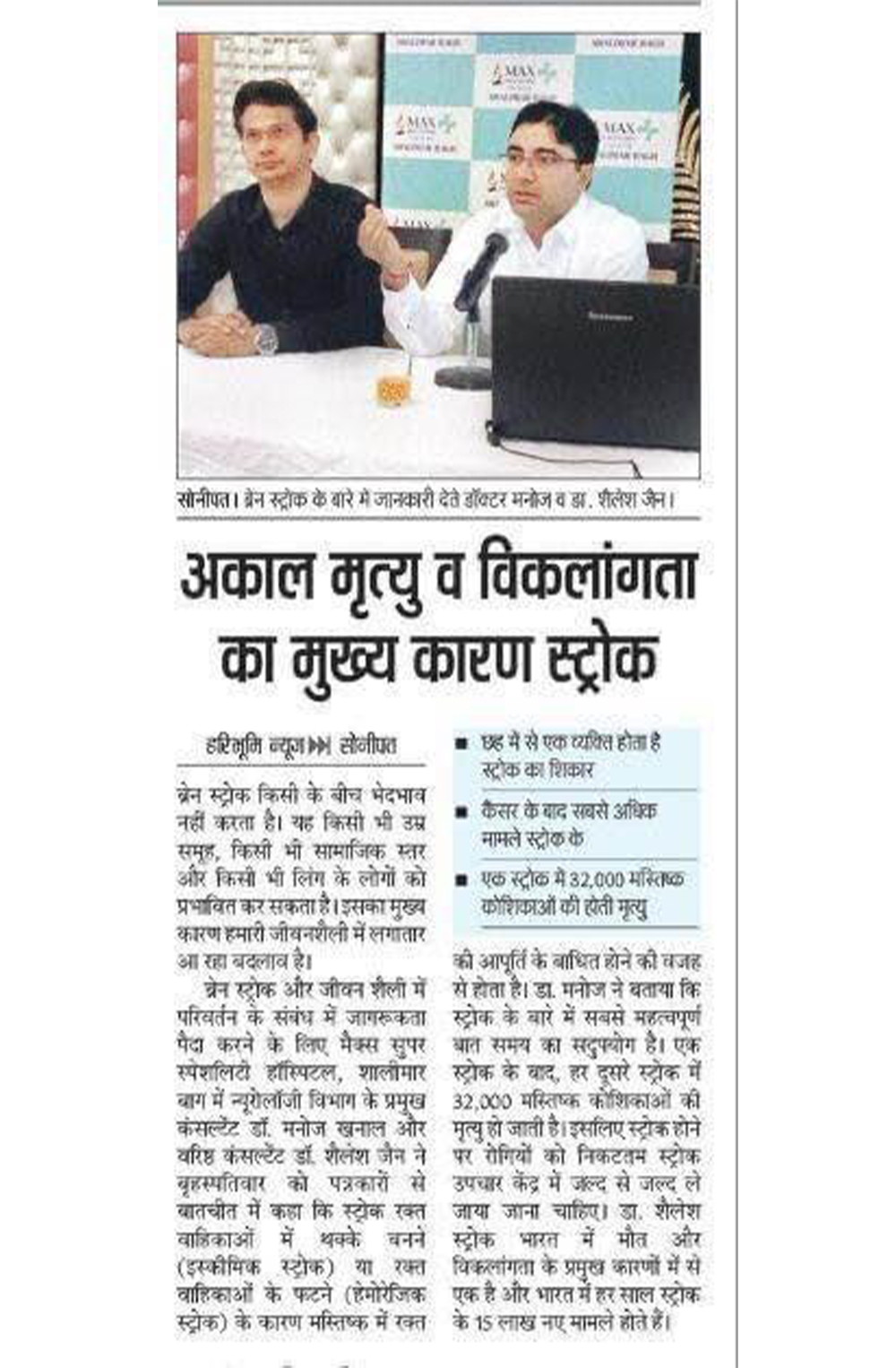
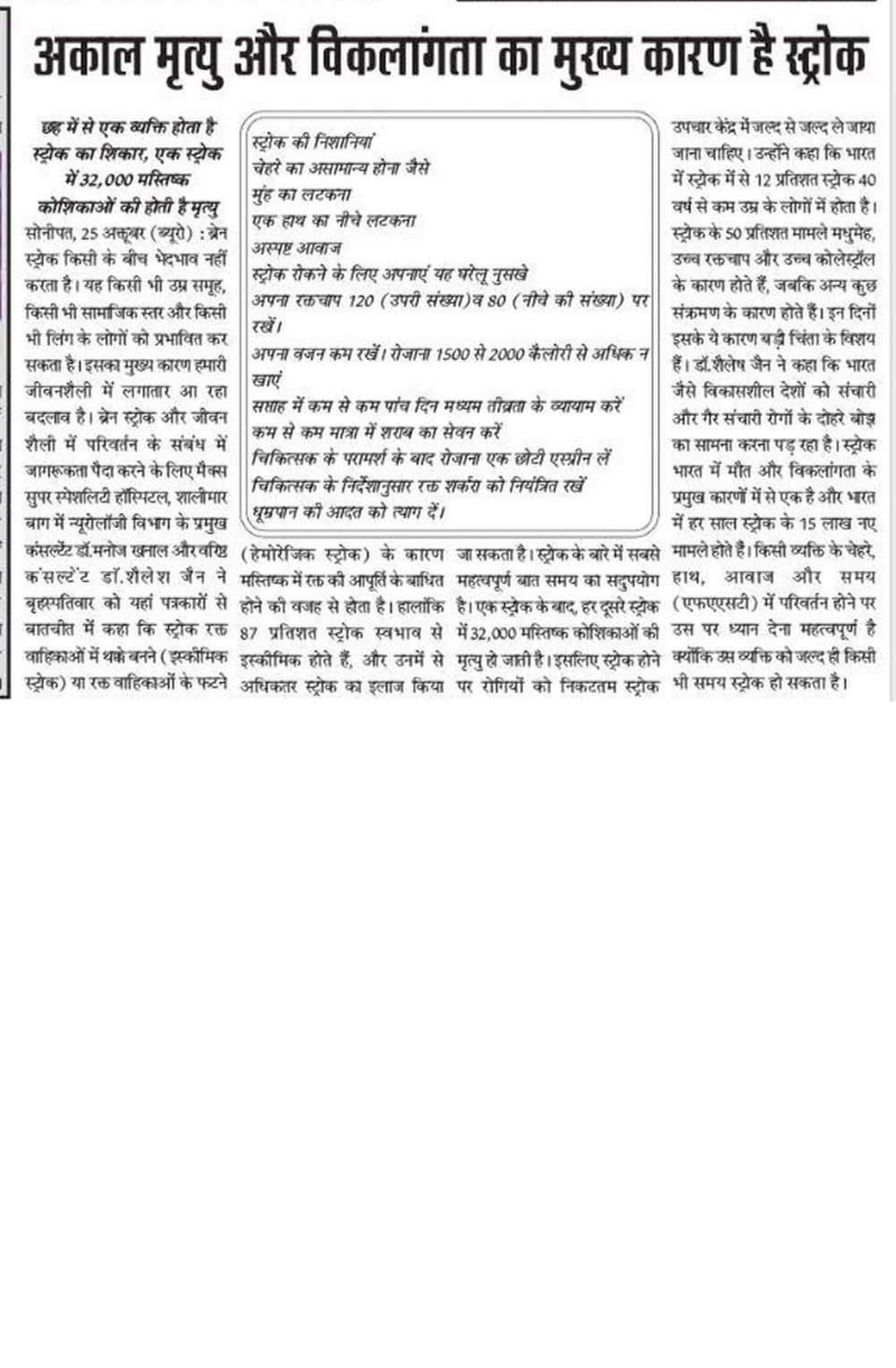
MEDIA PRESENCE
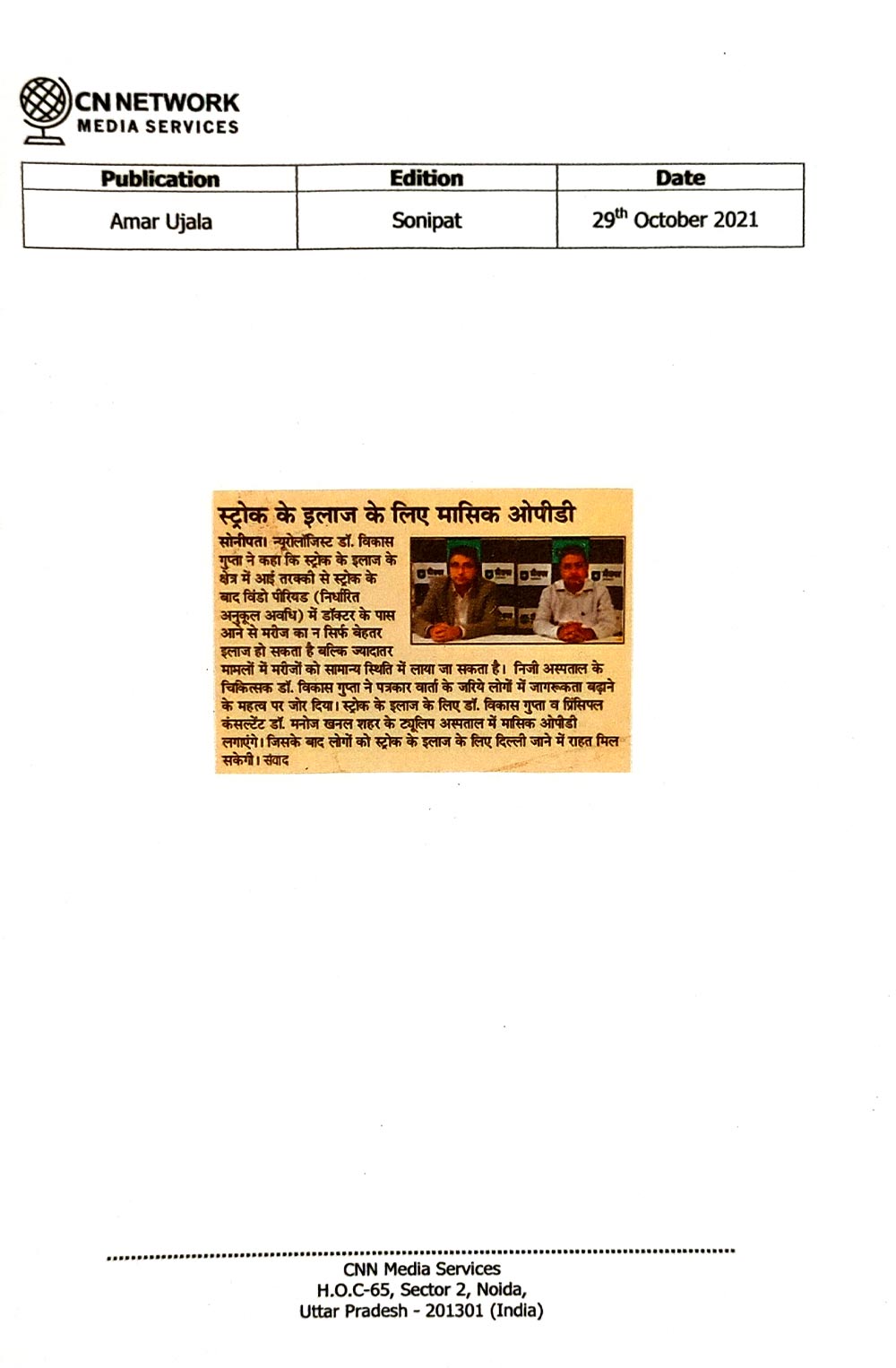
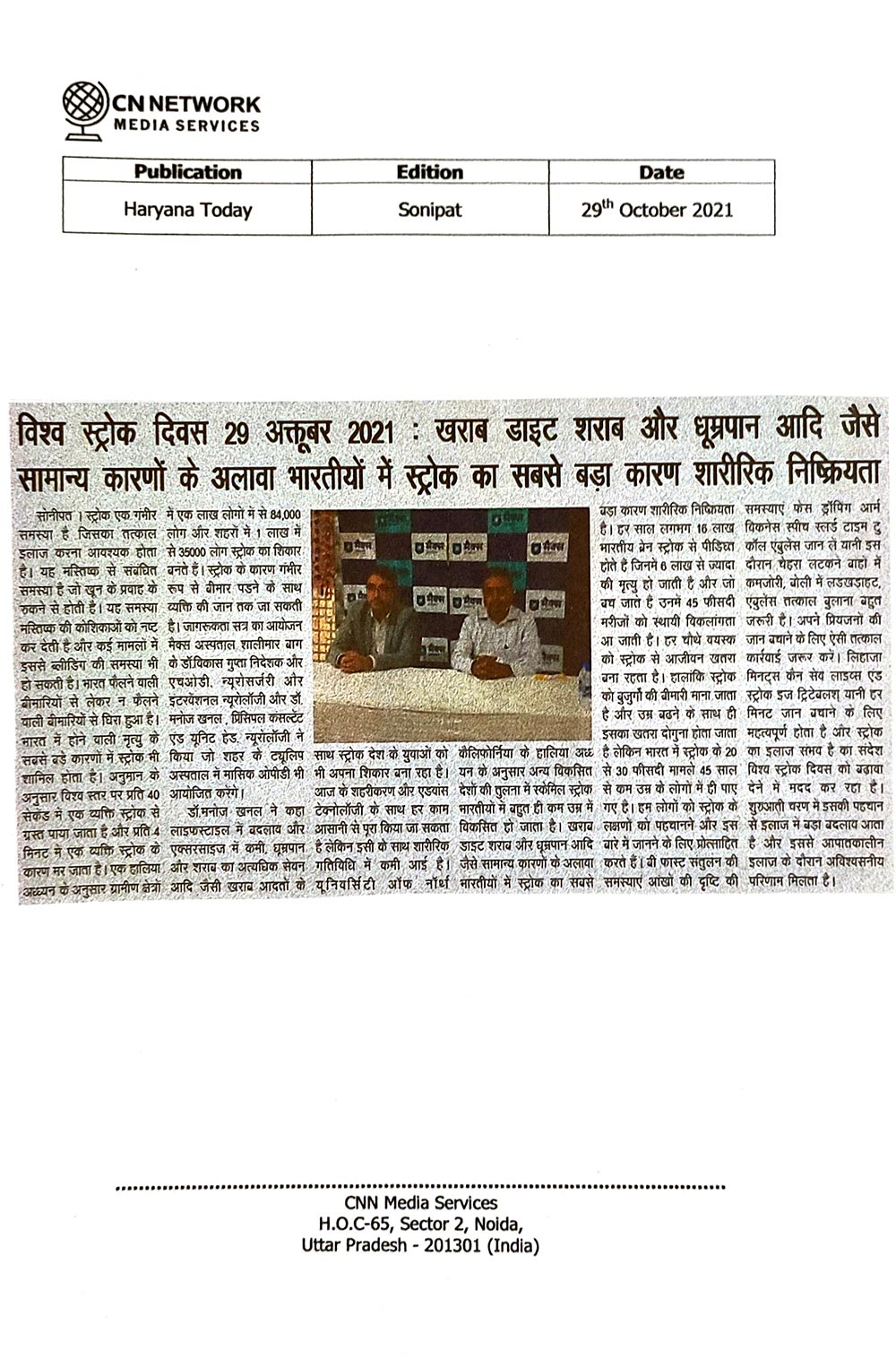
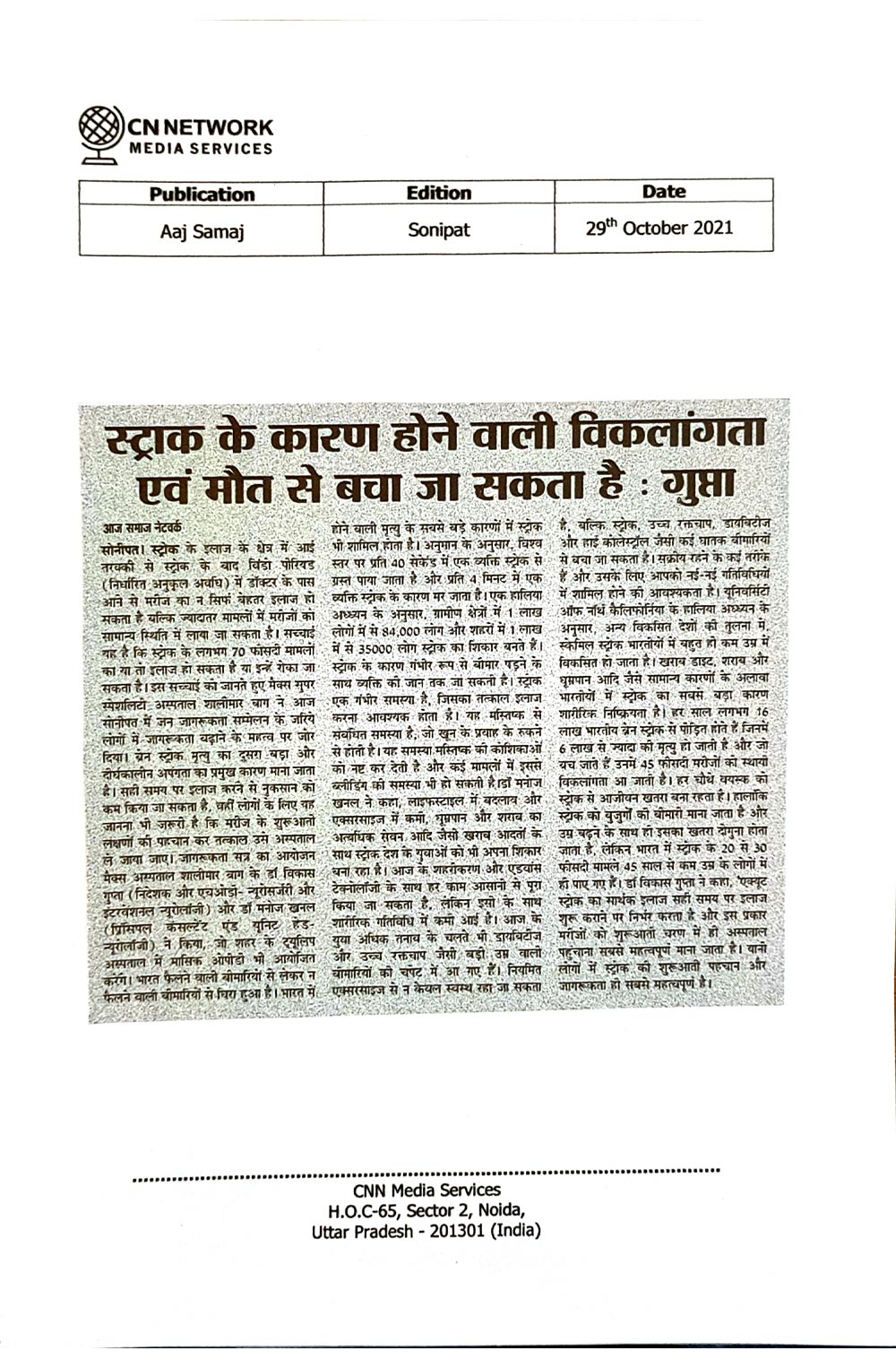
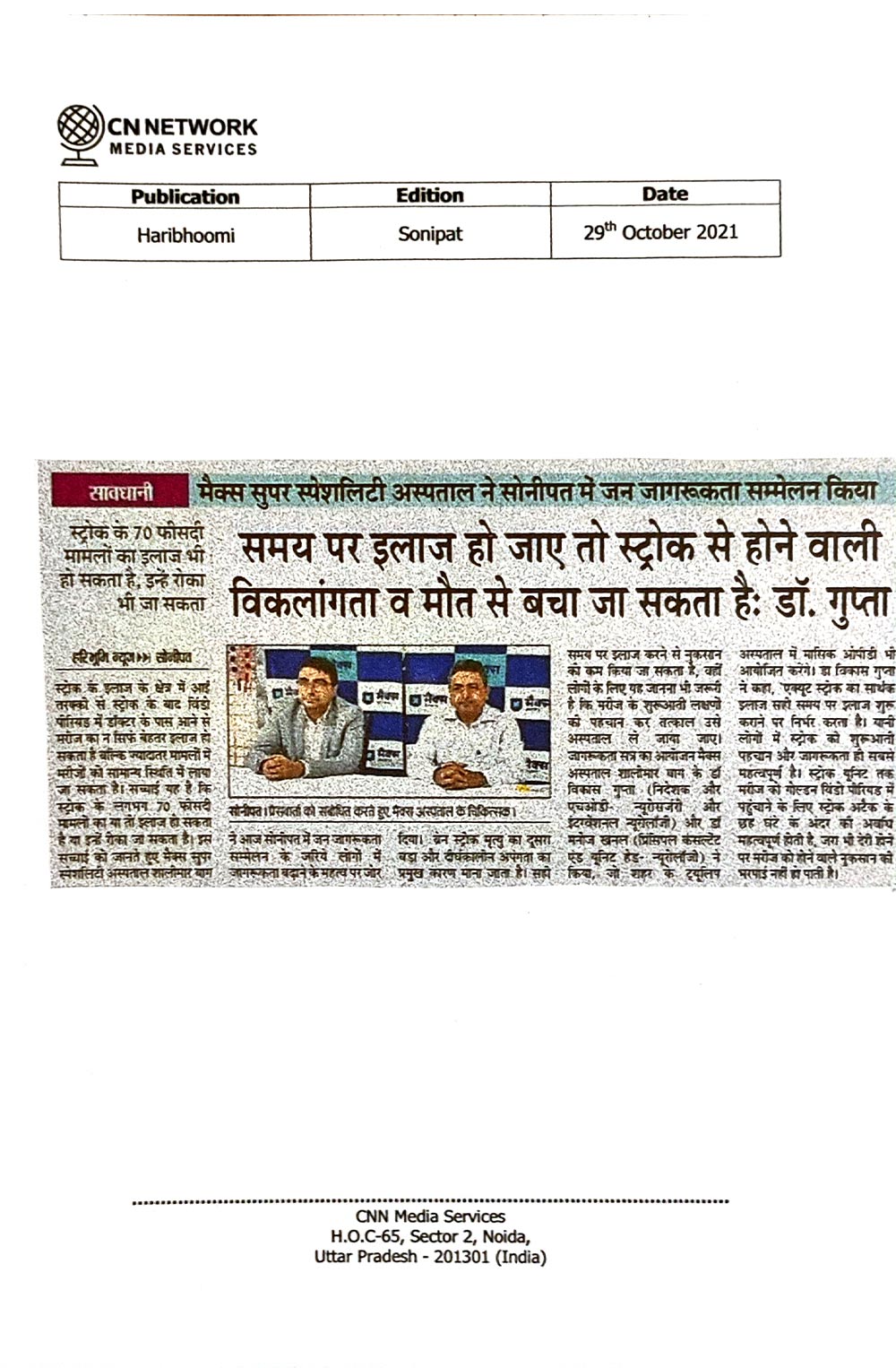
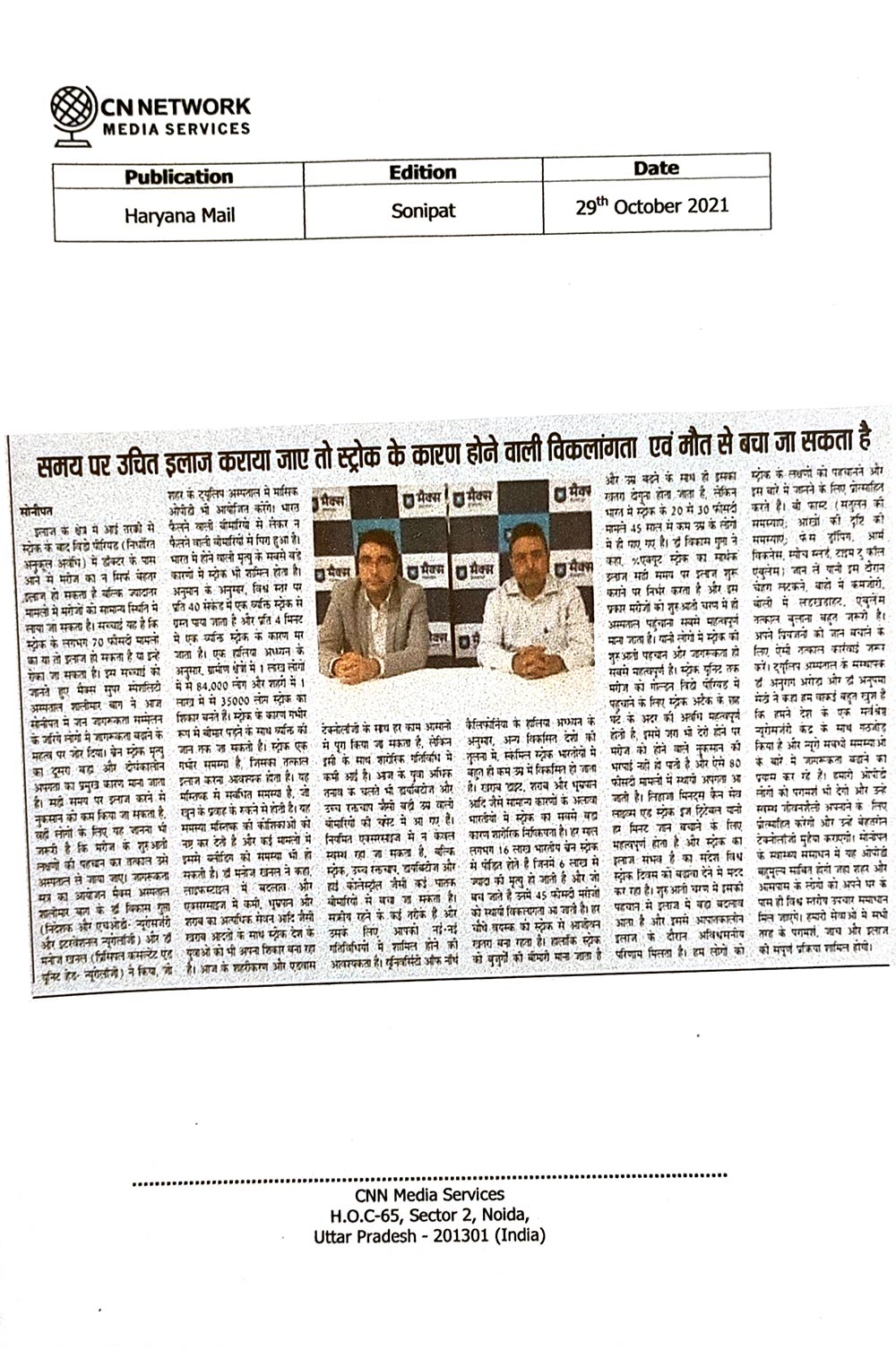
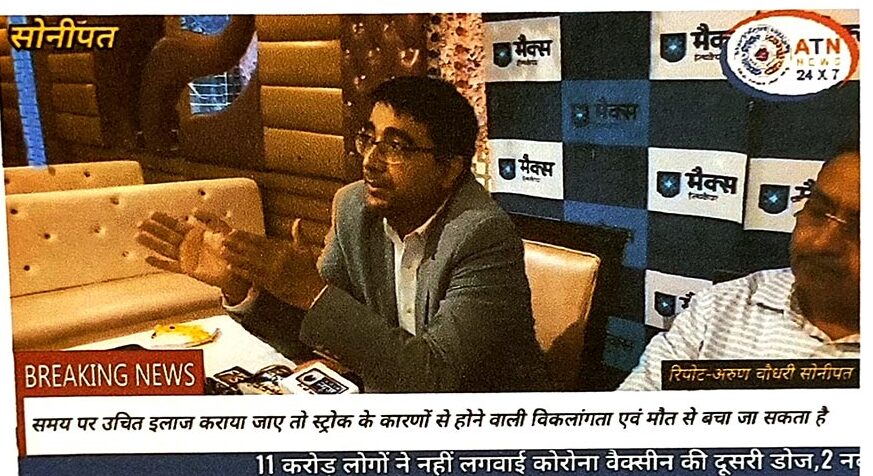
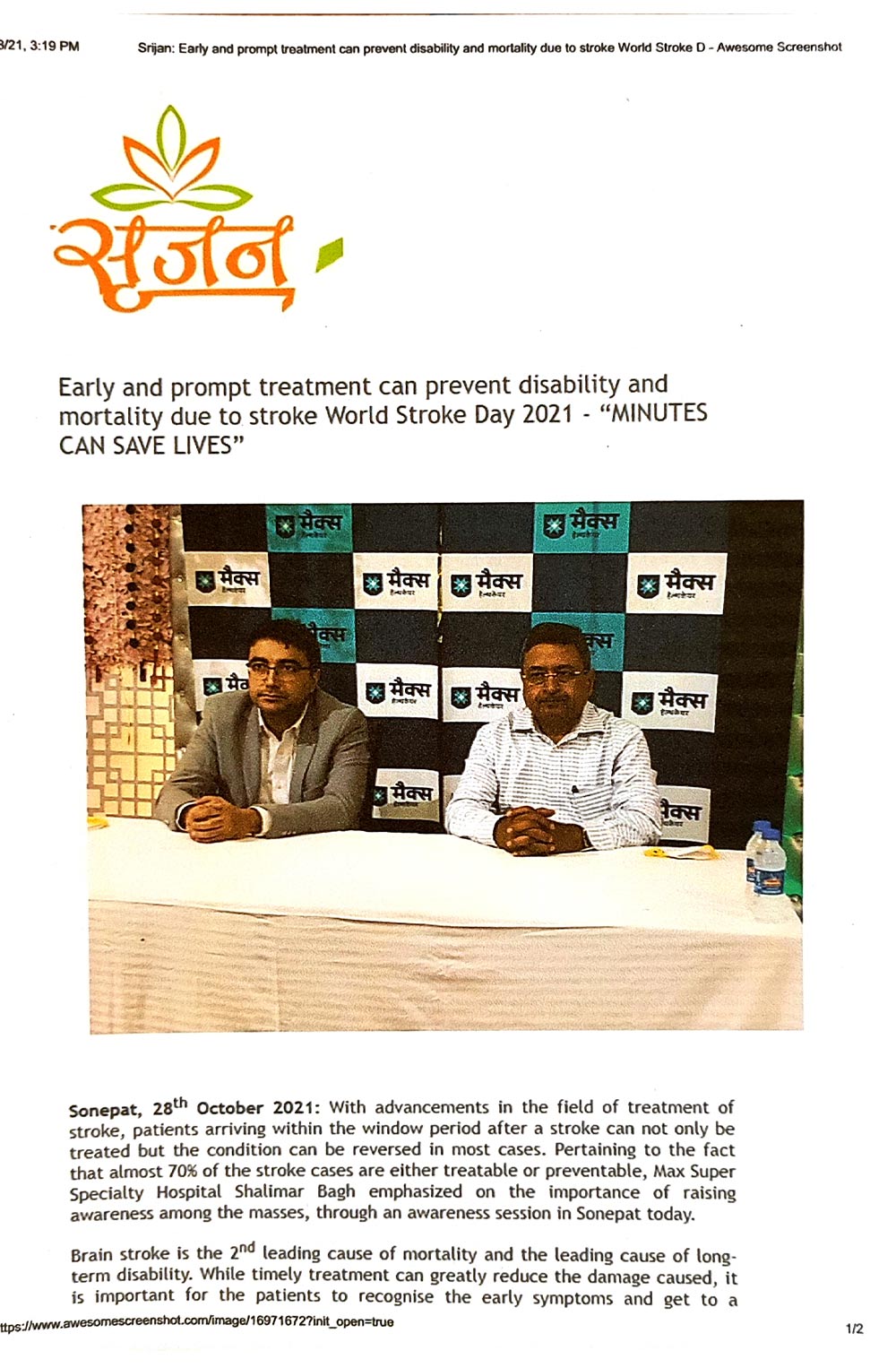
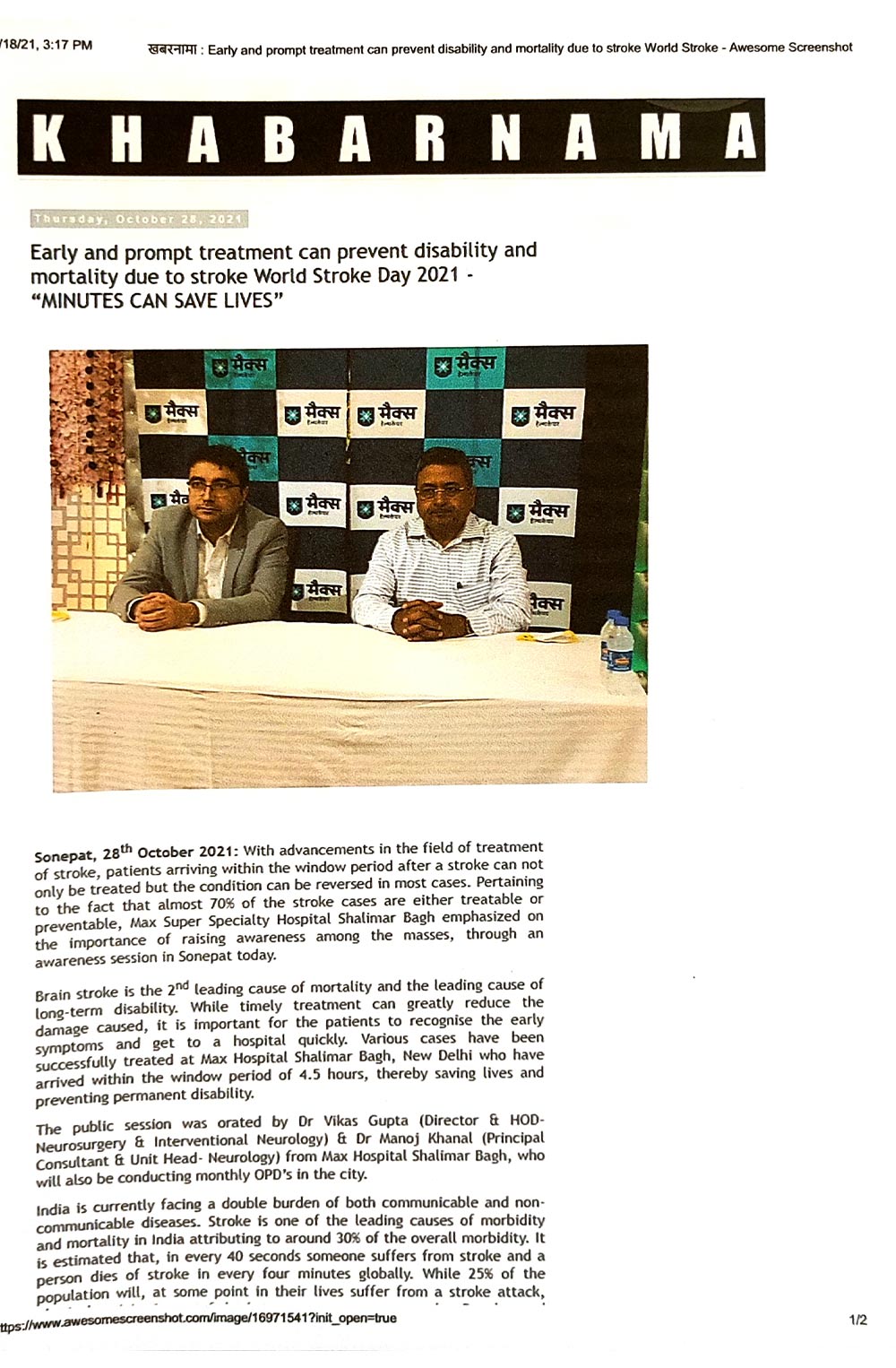
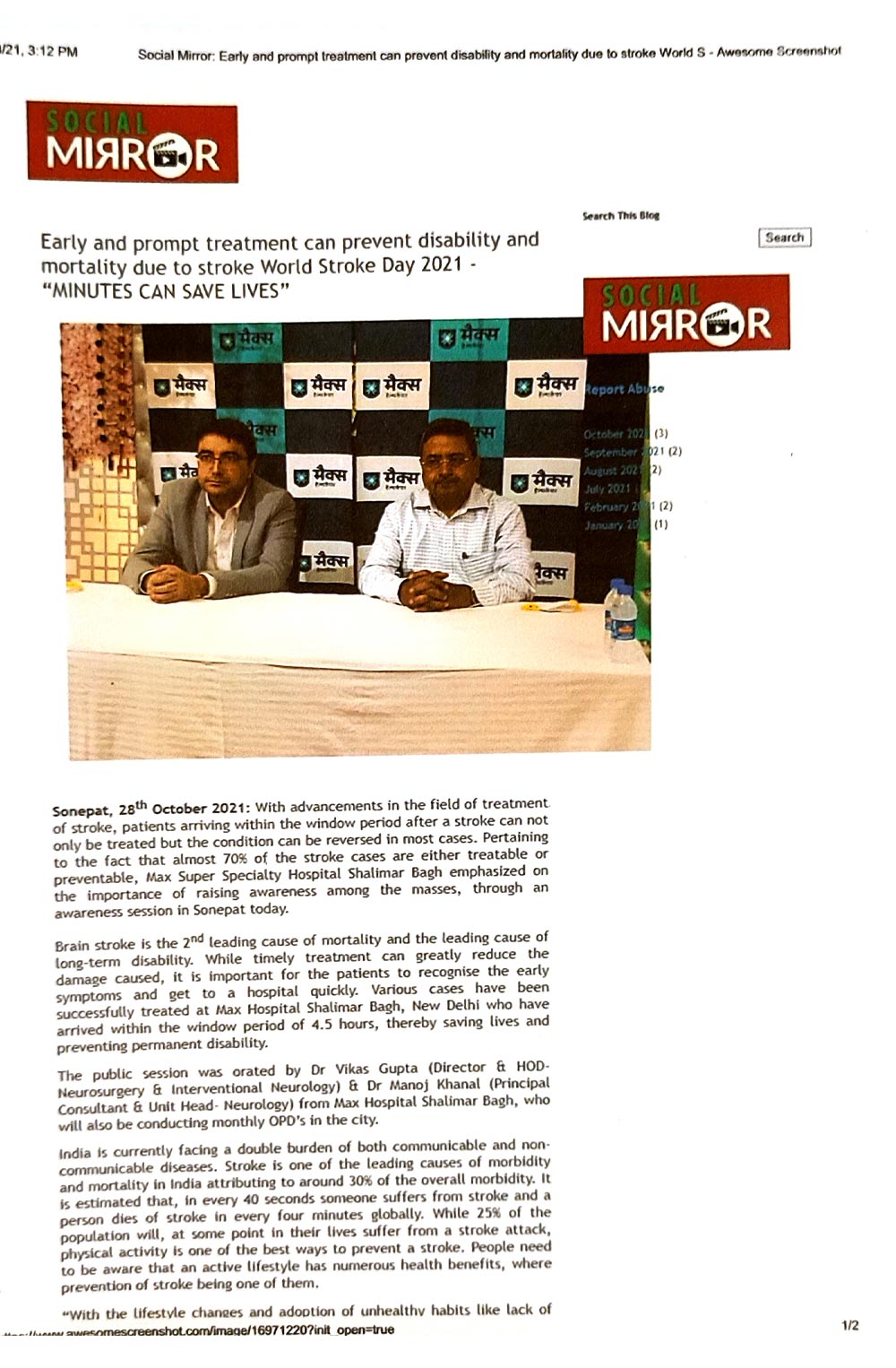
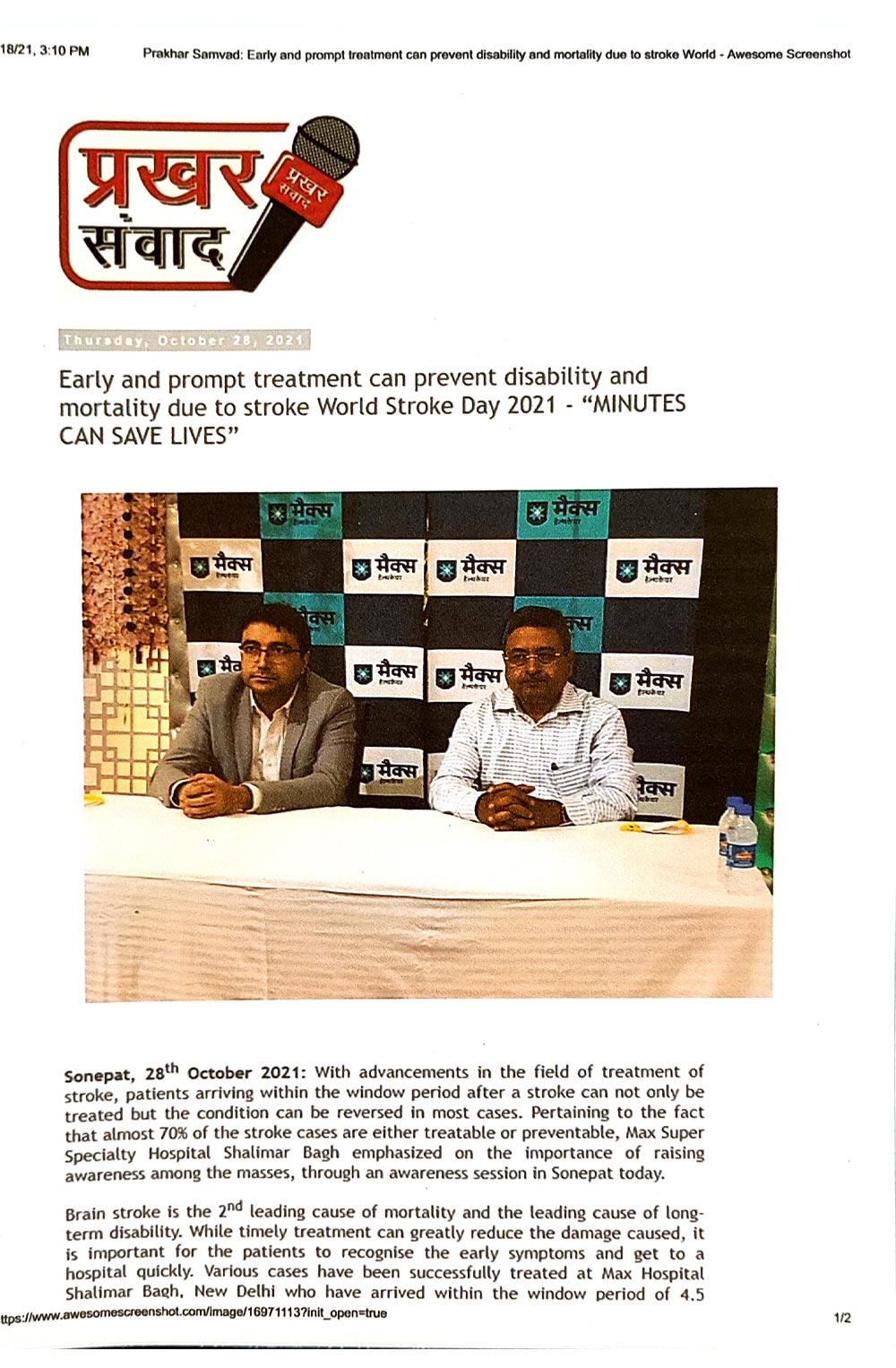
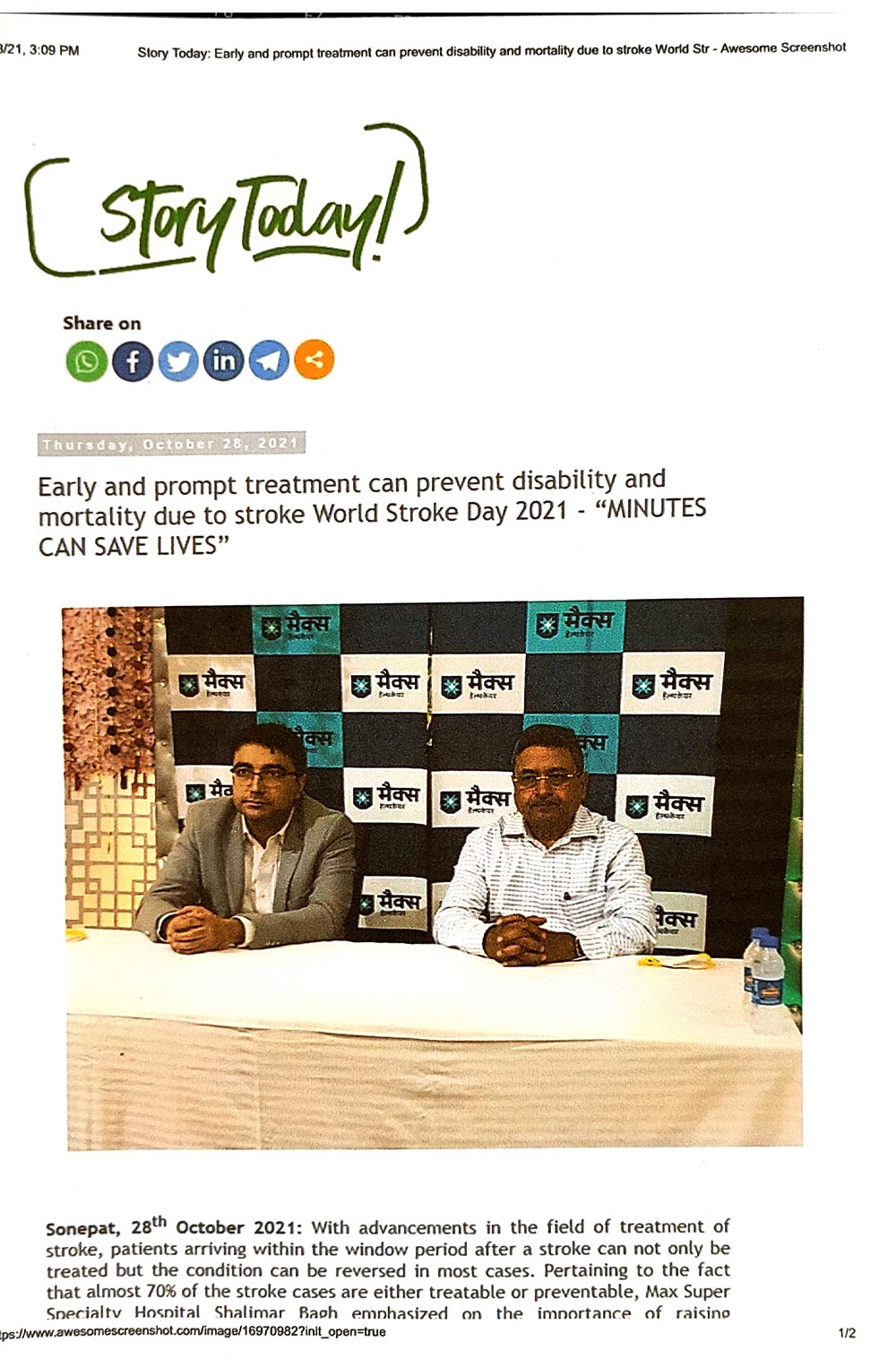
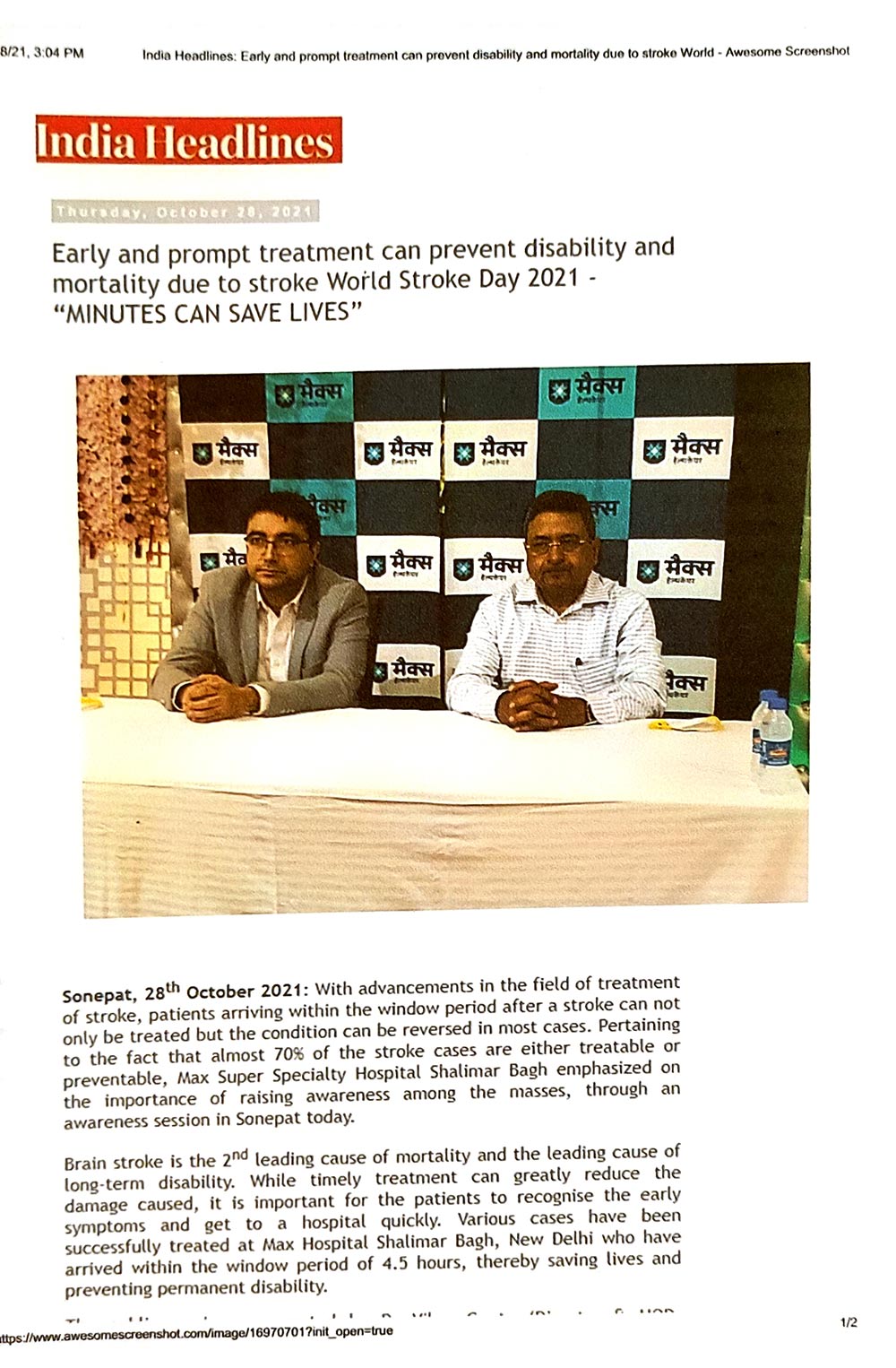
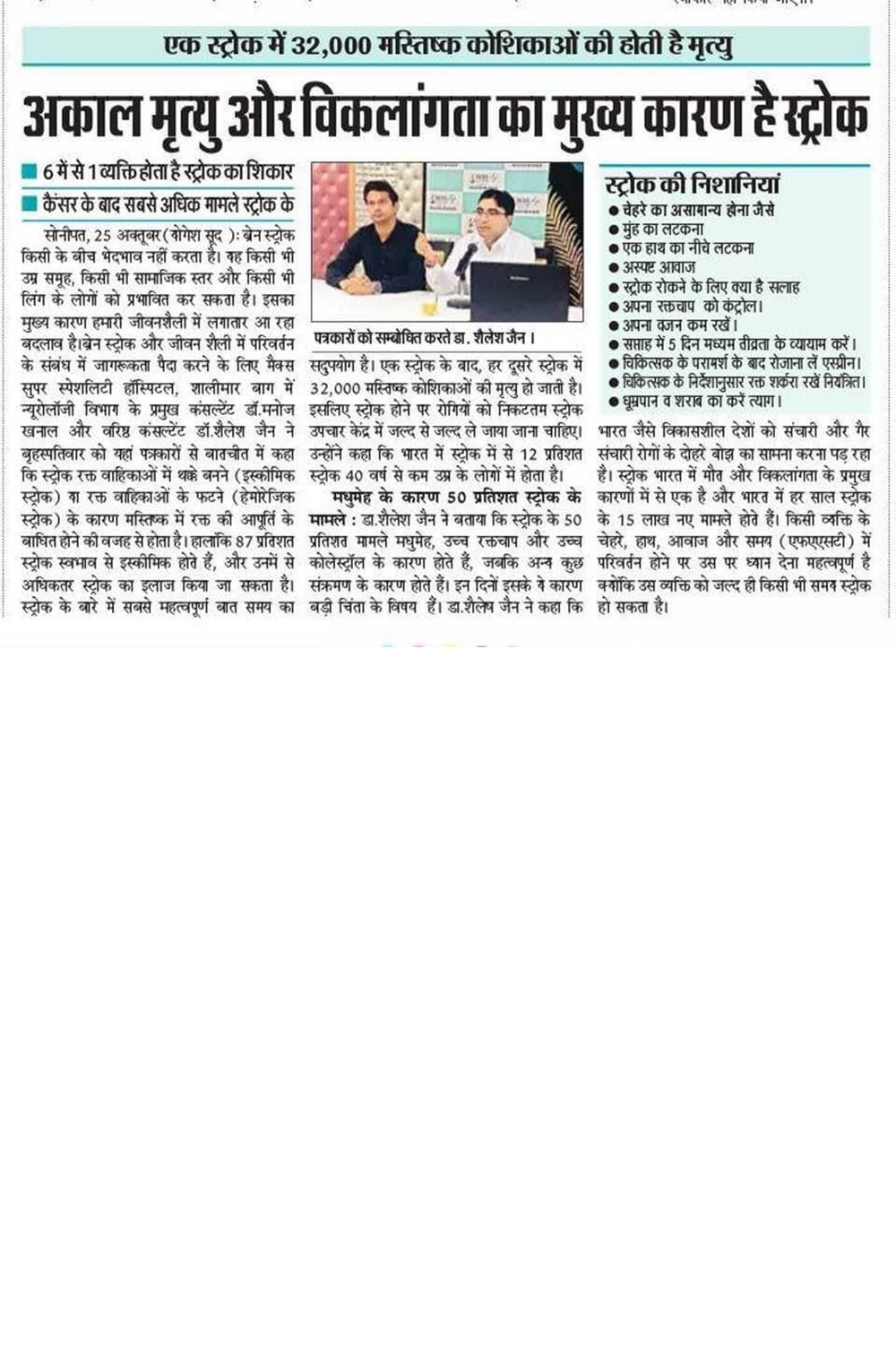
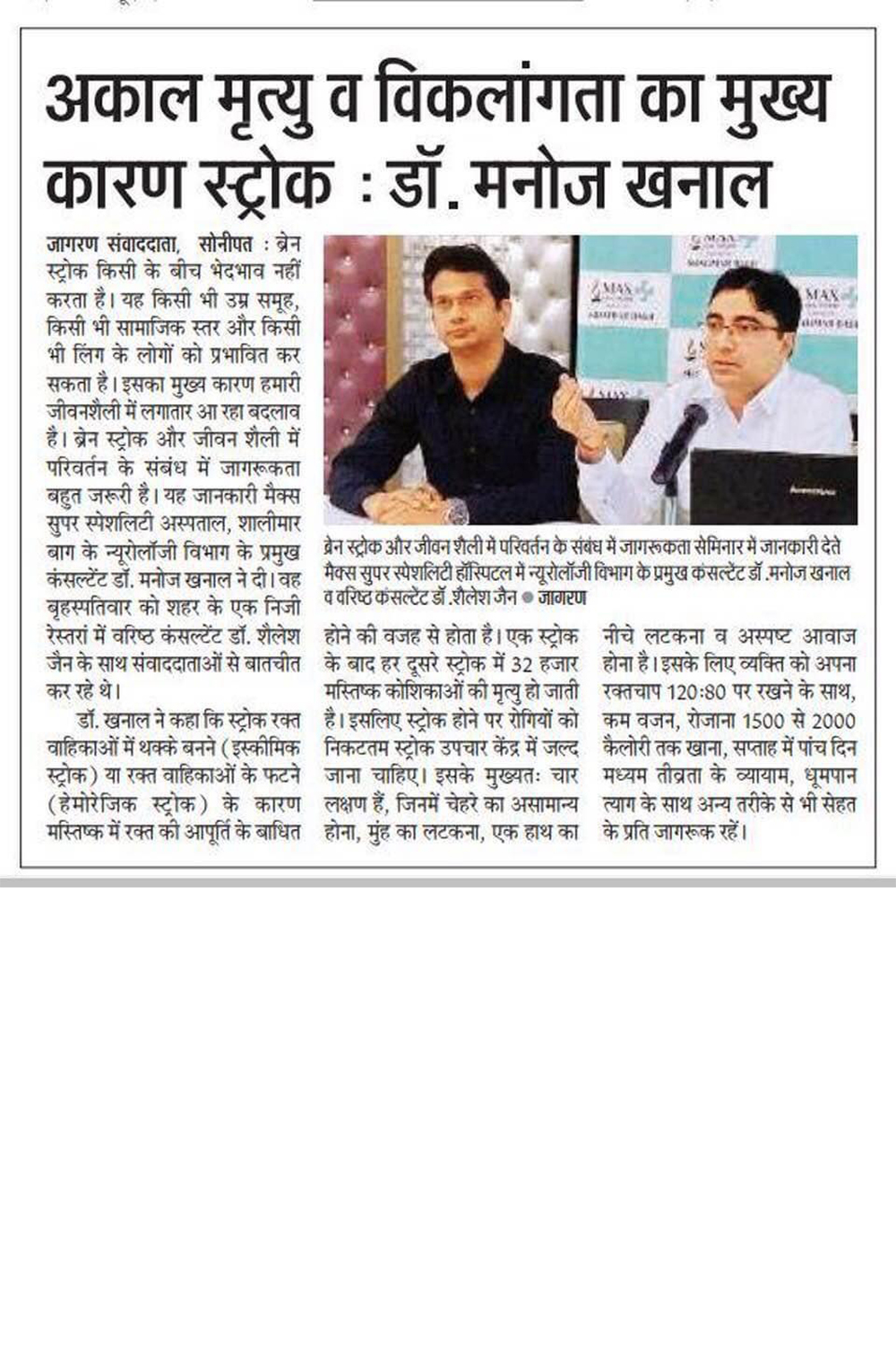

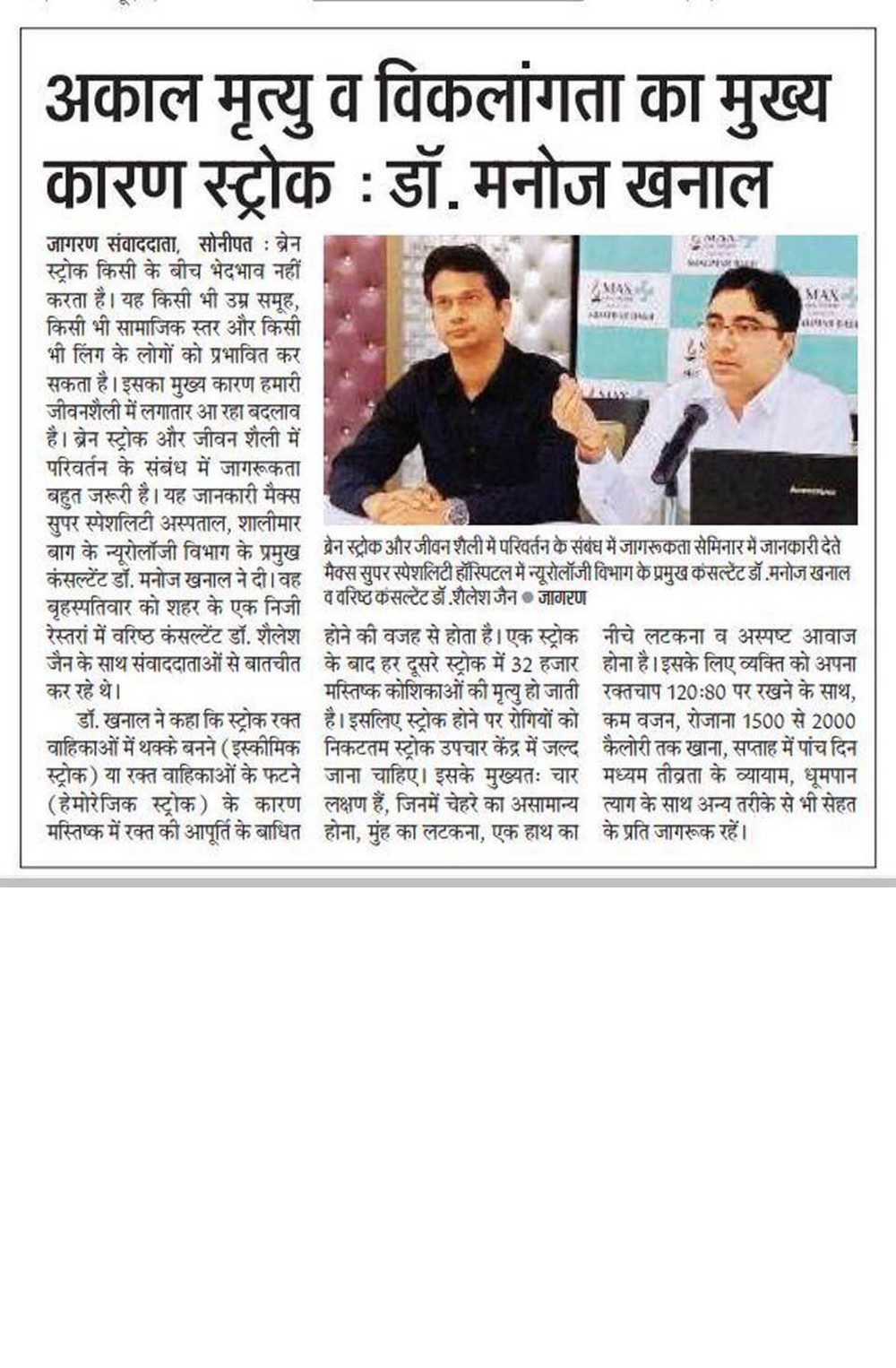
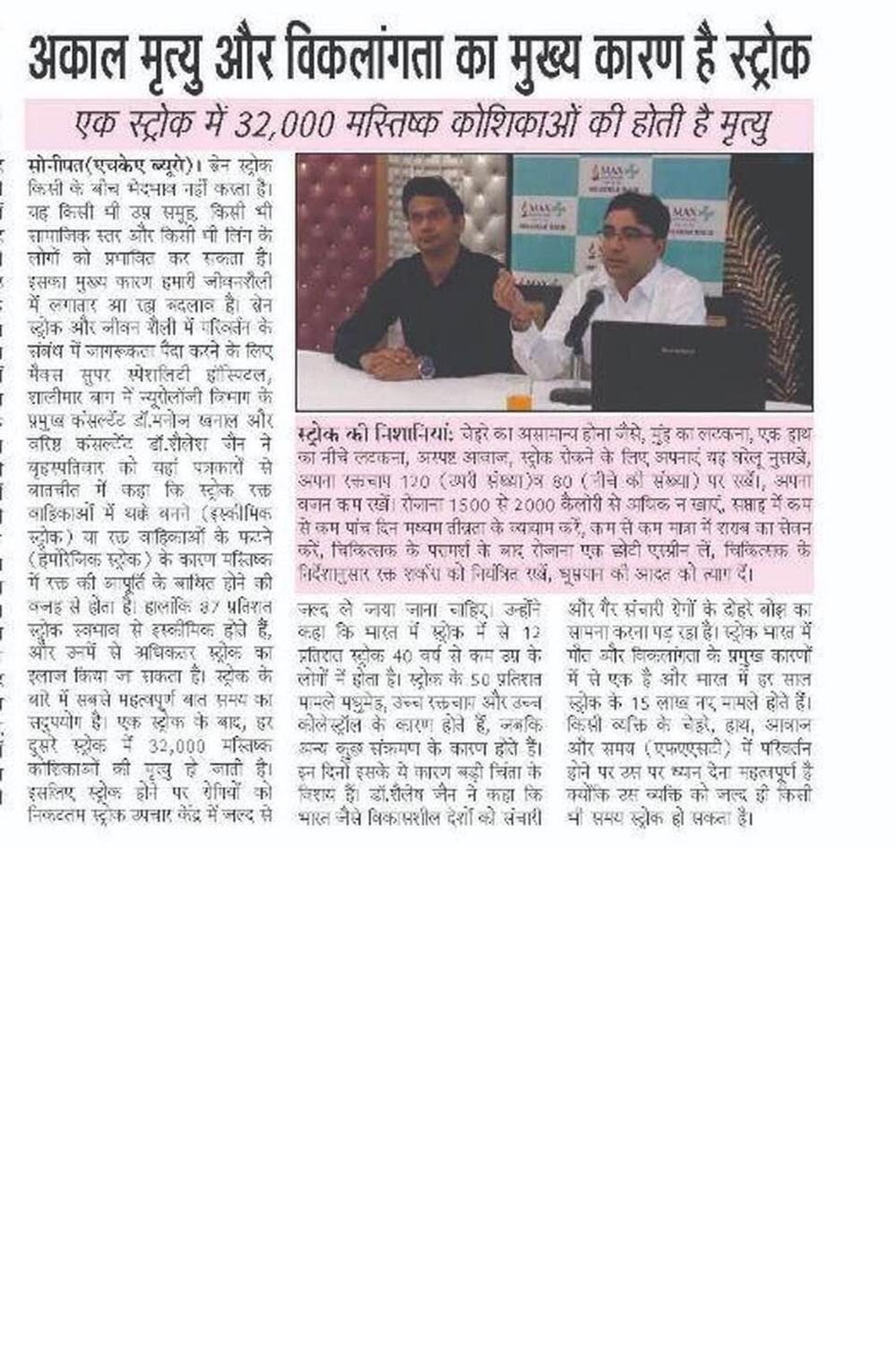
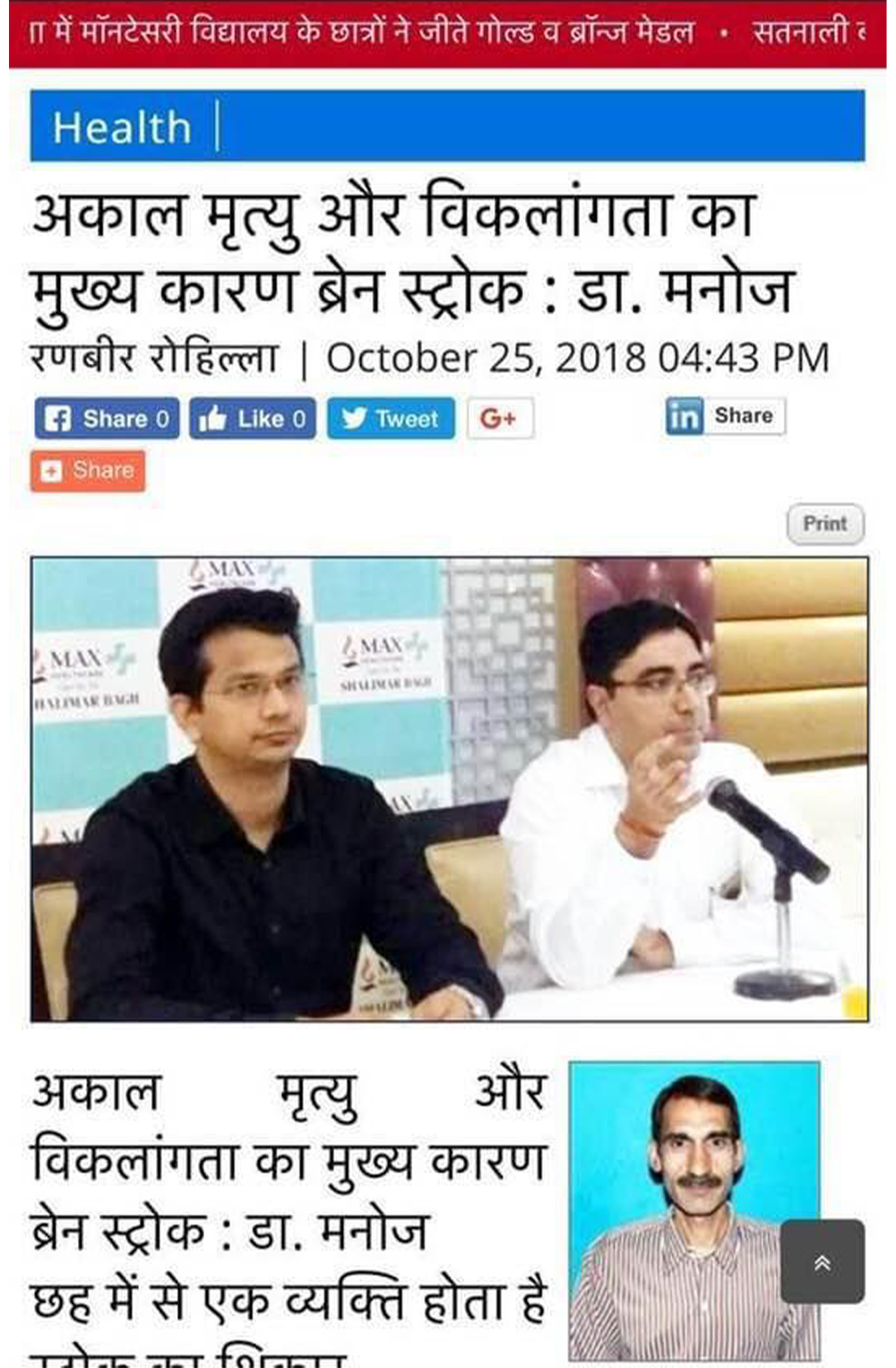

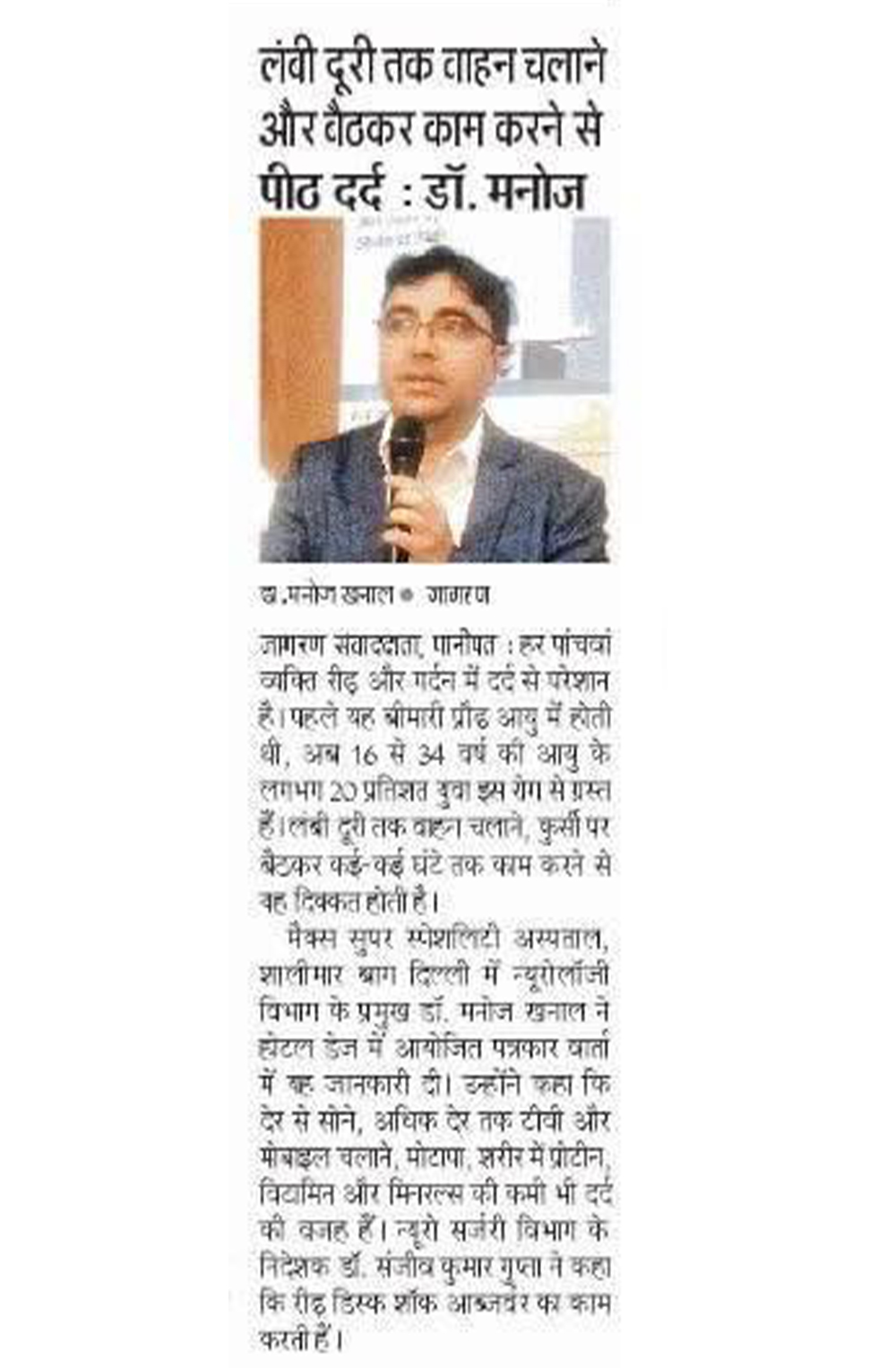
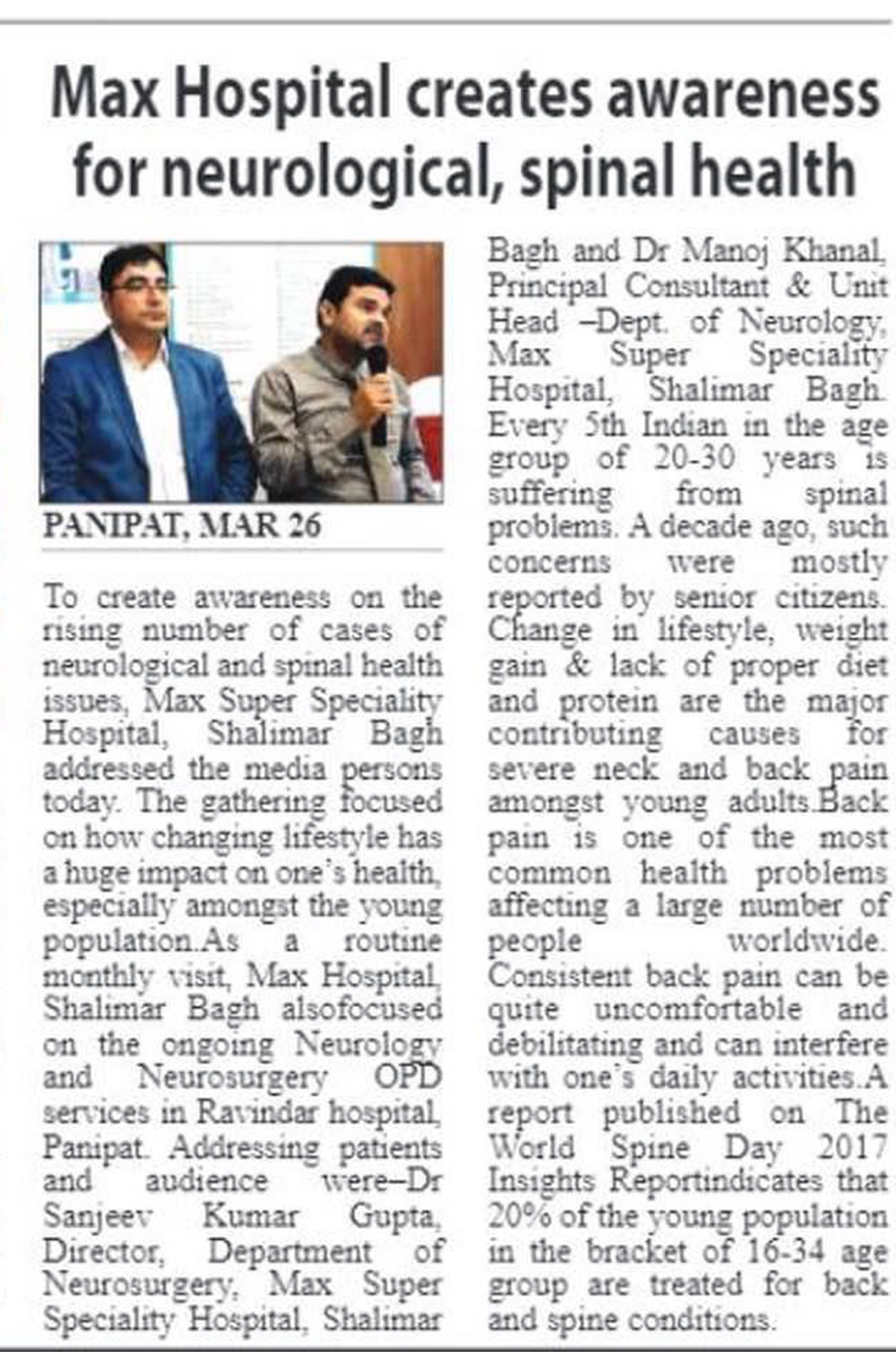
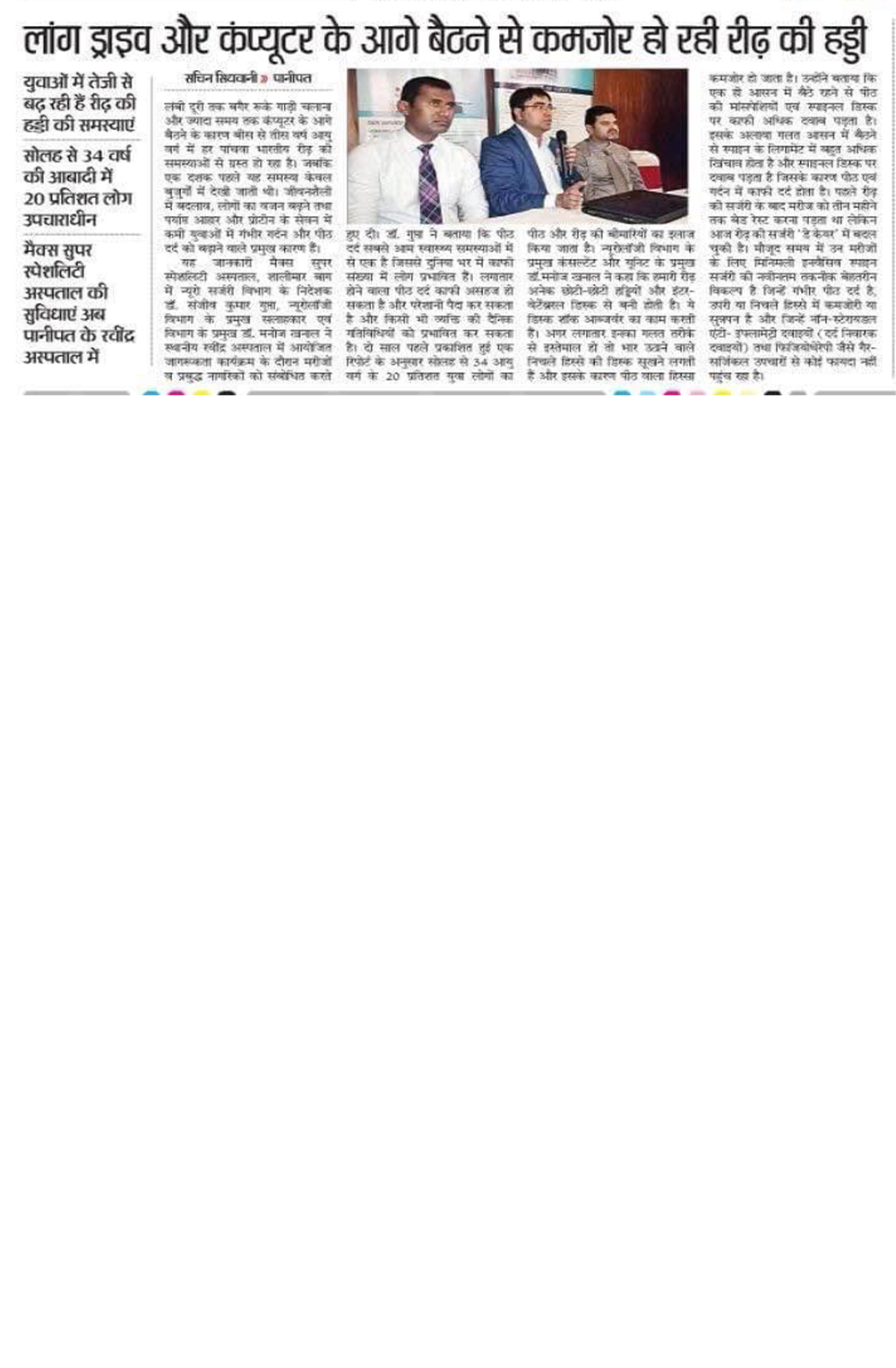
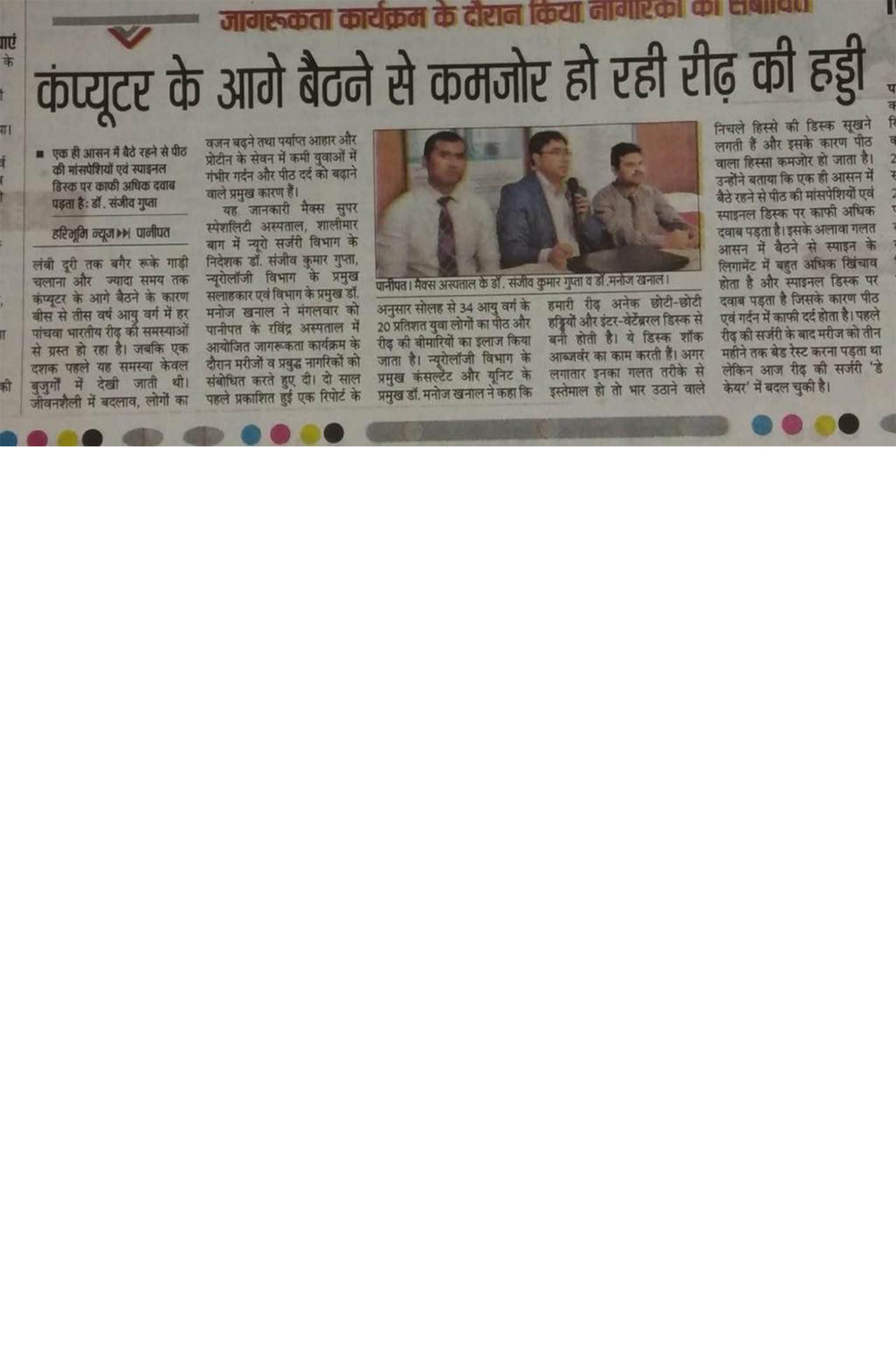
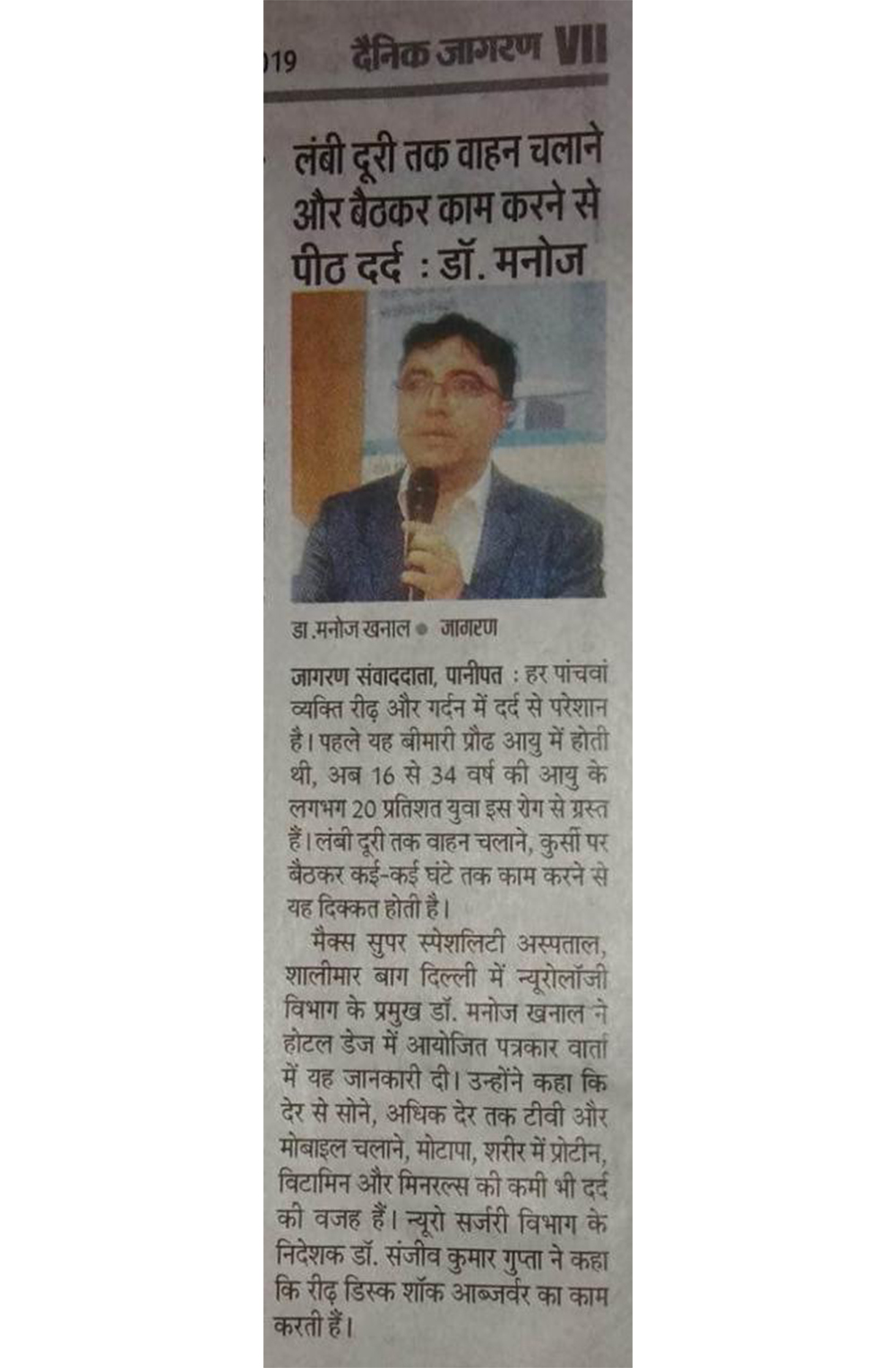
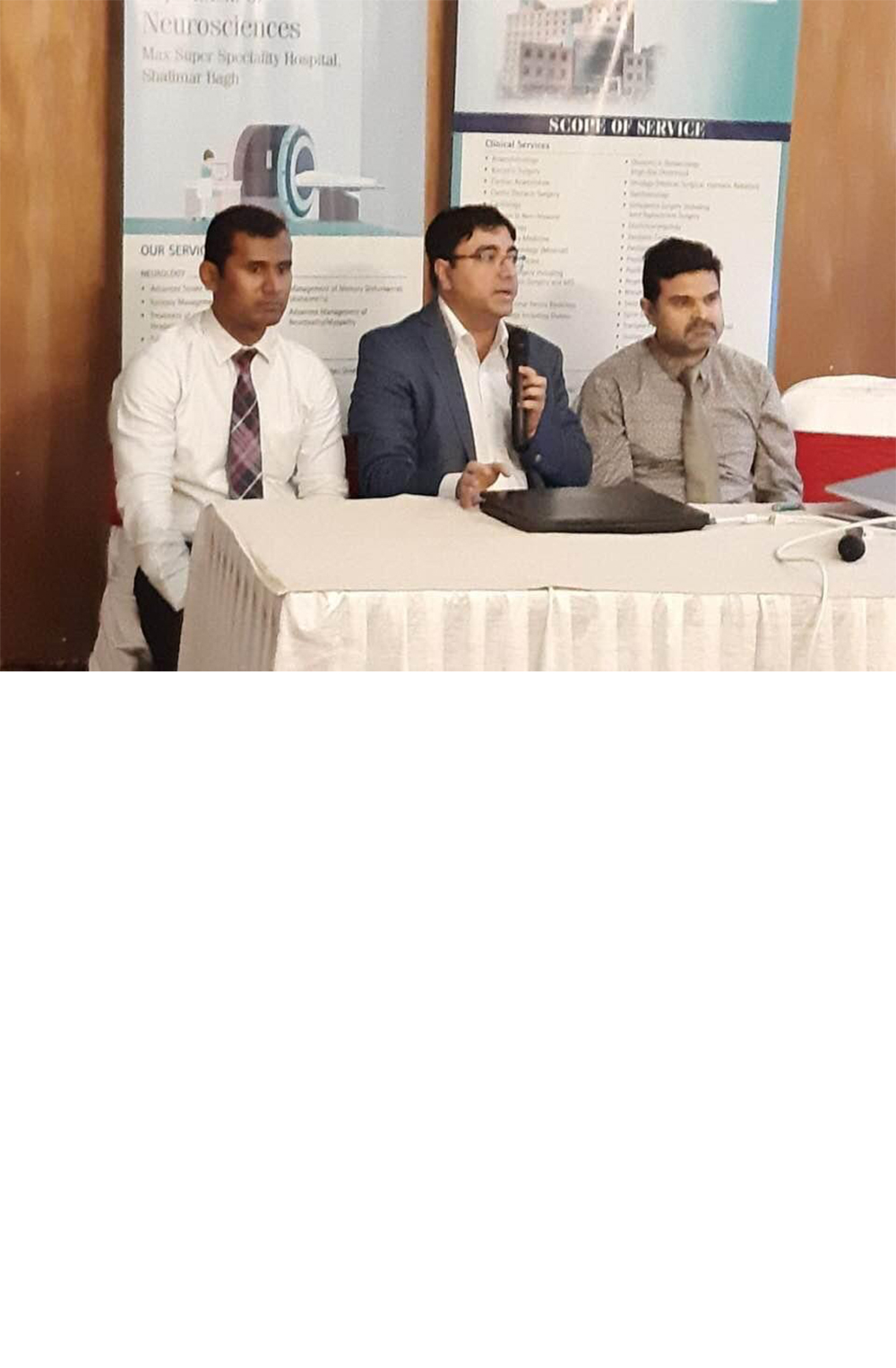
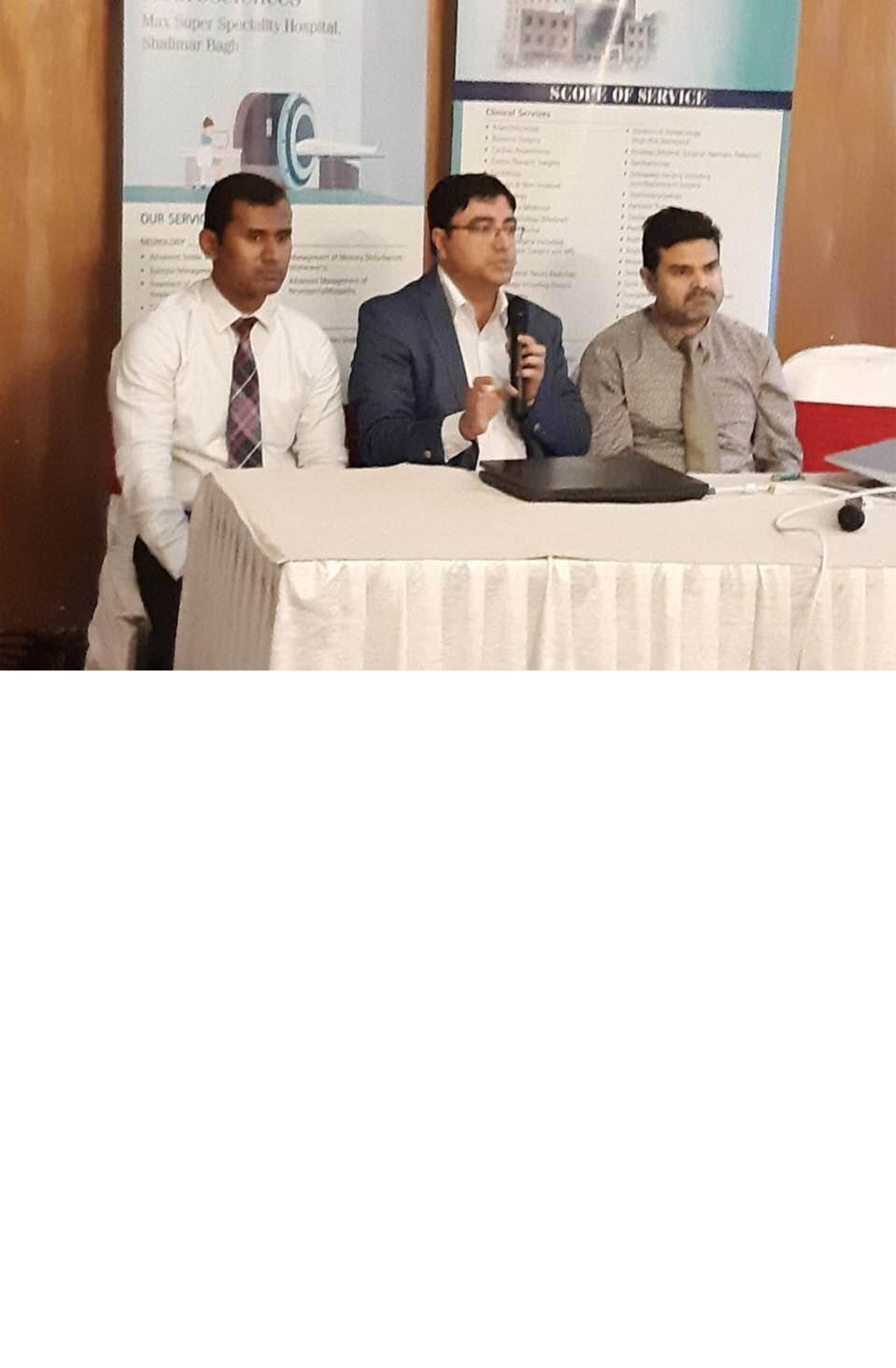

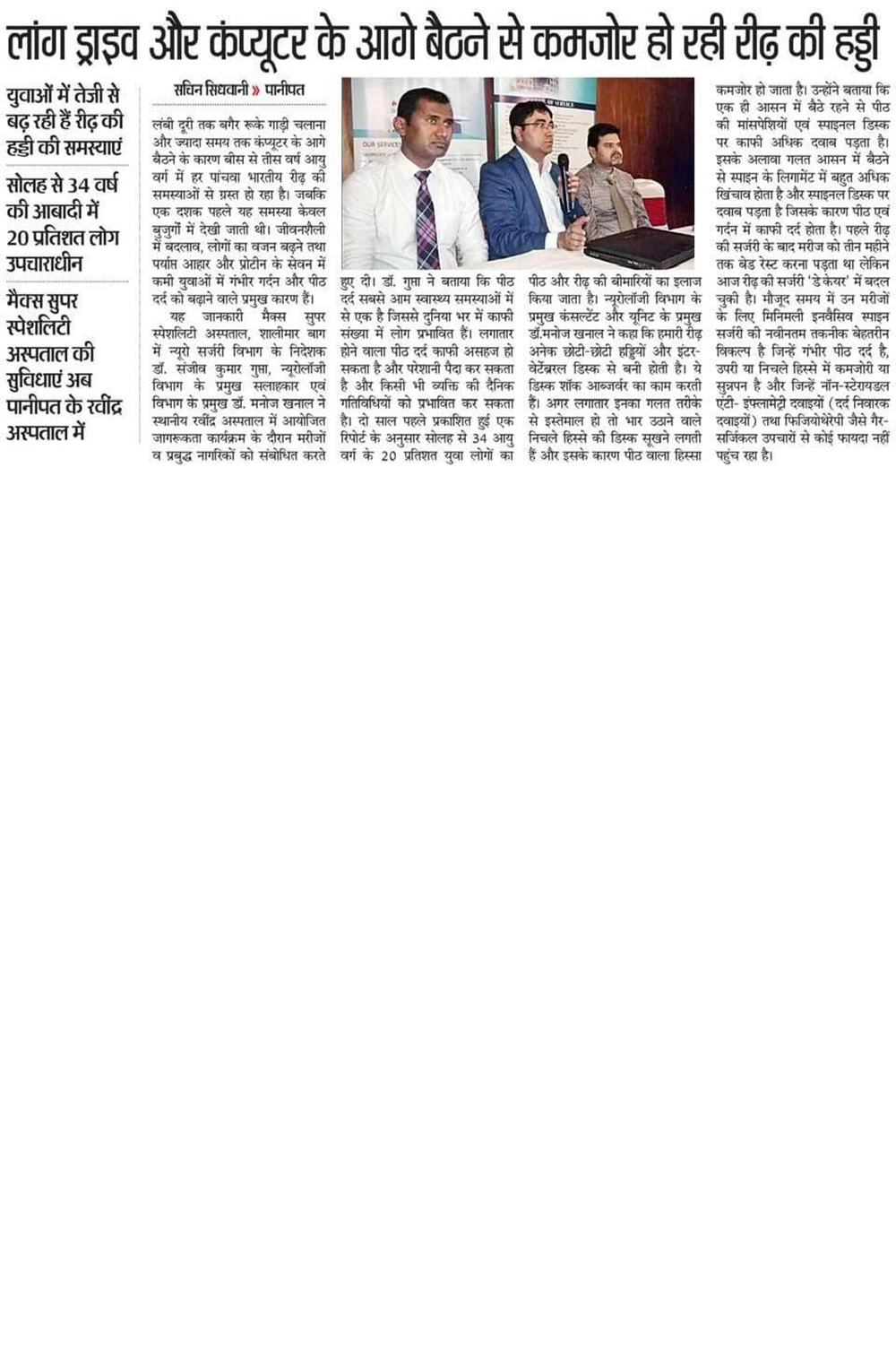
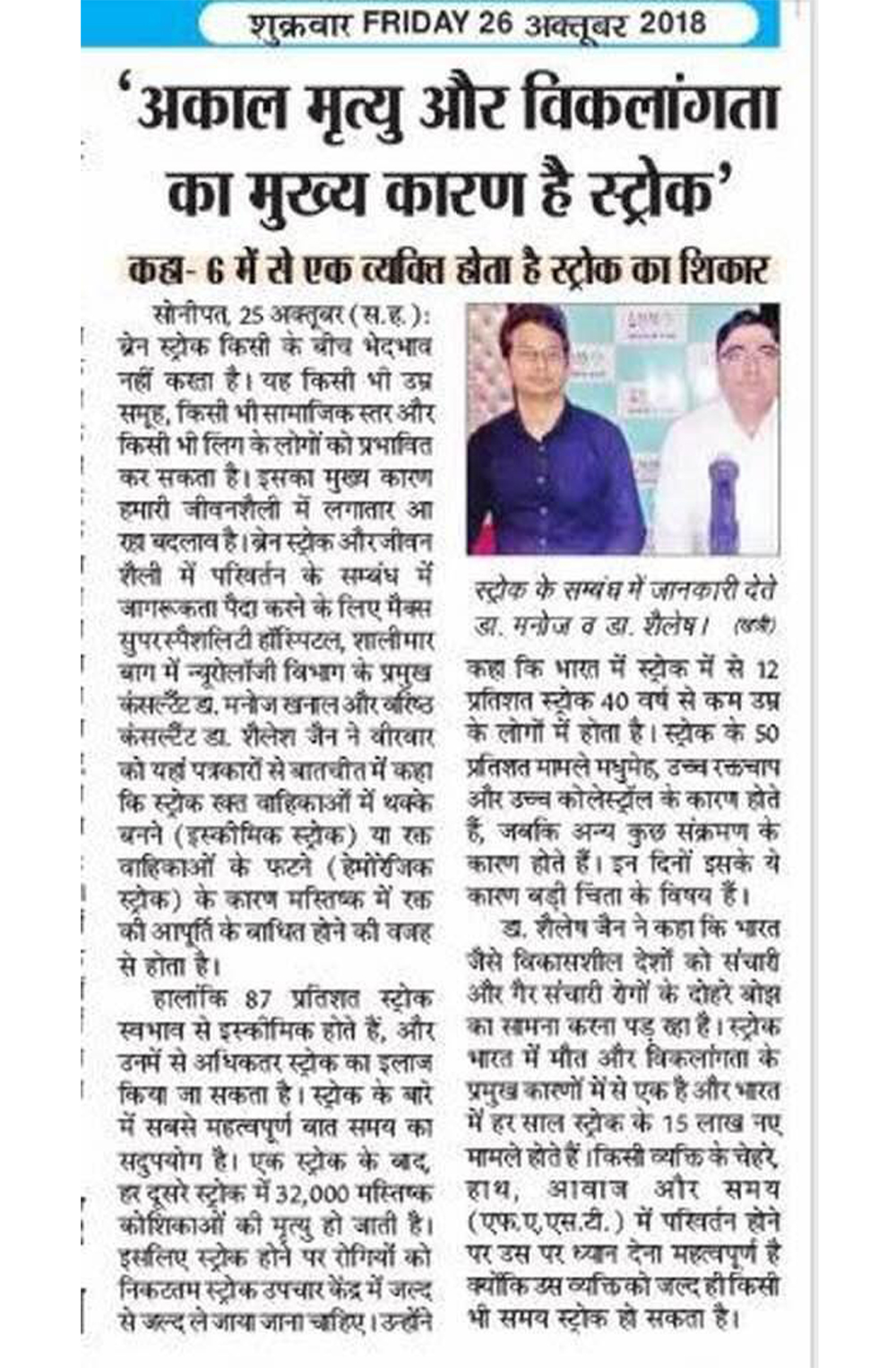
Past Events

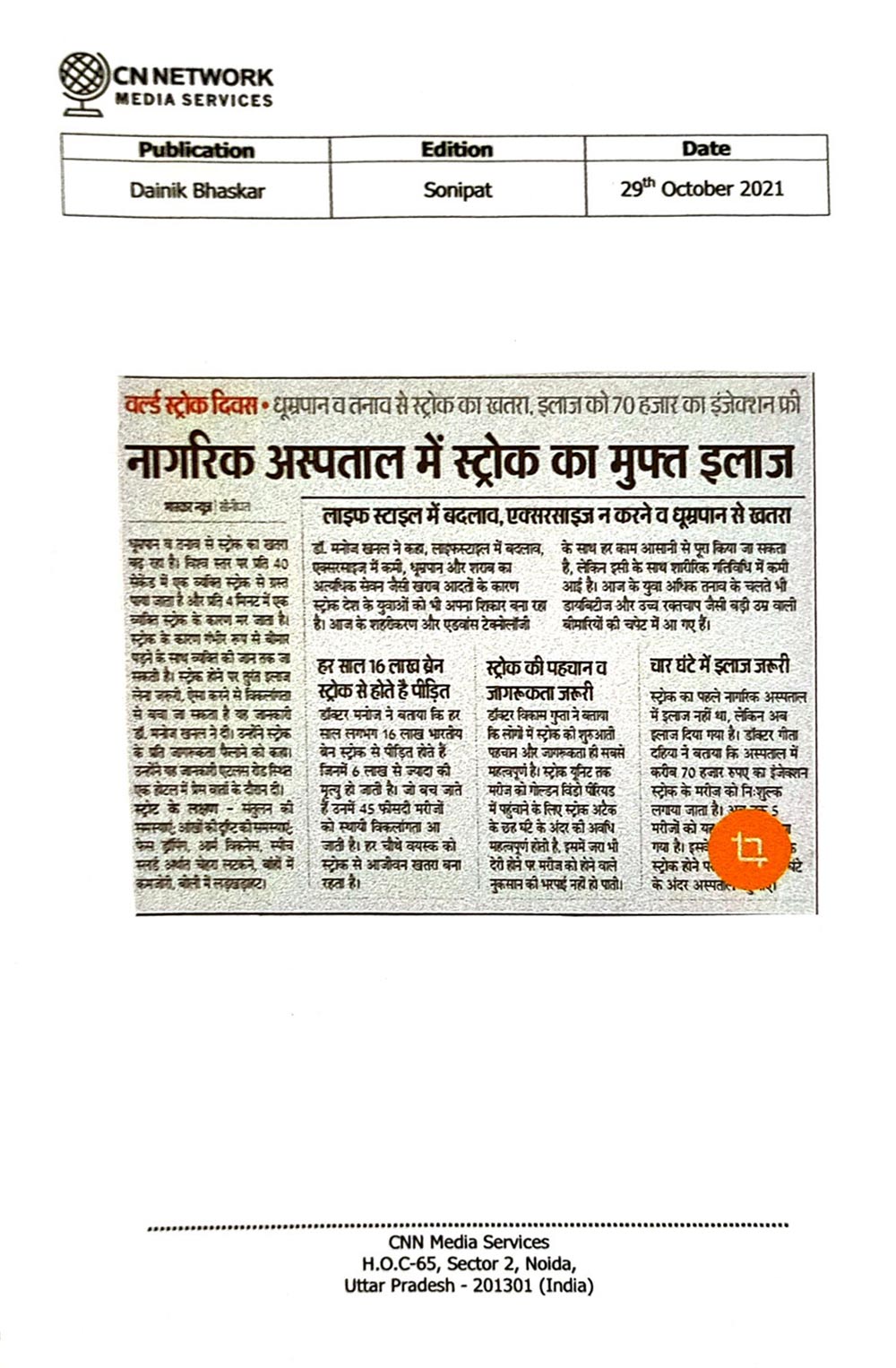
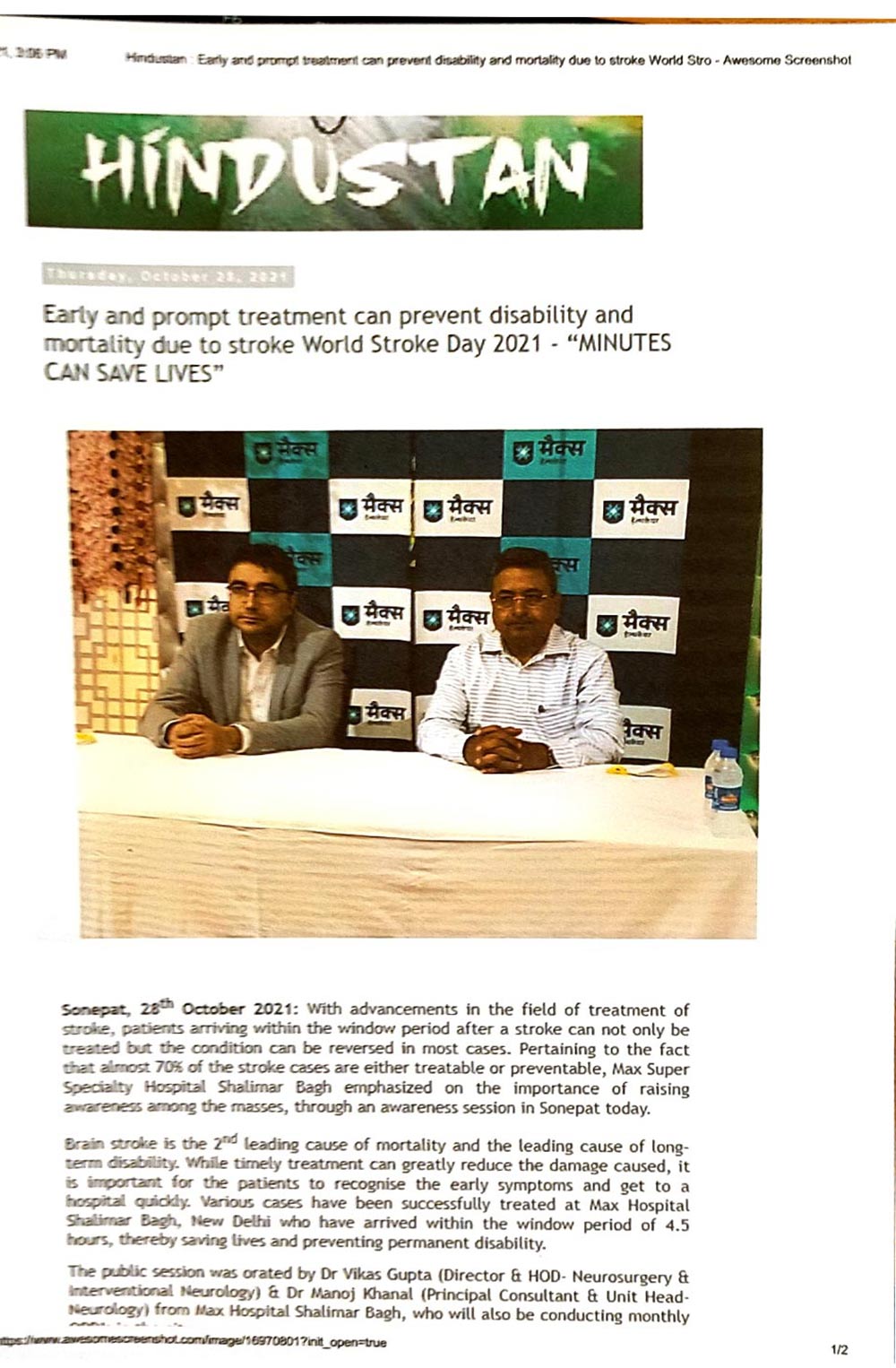
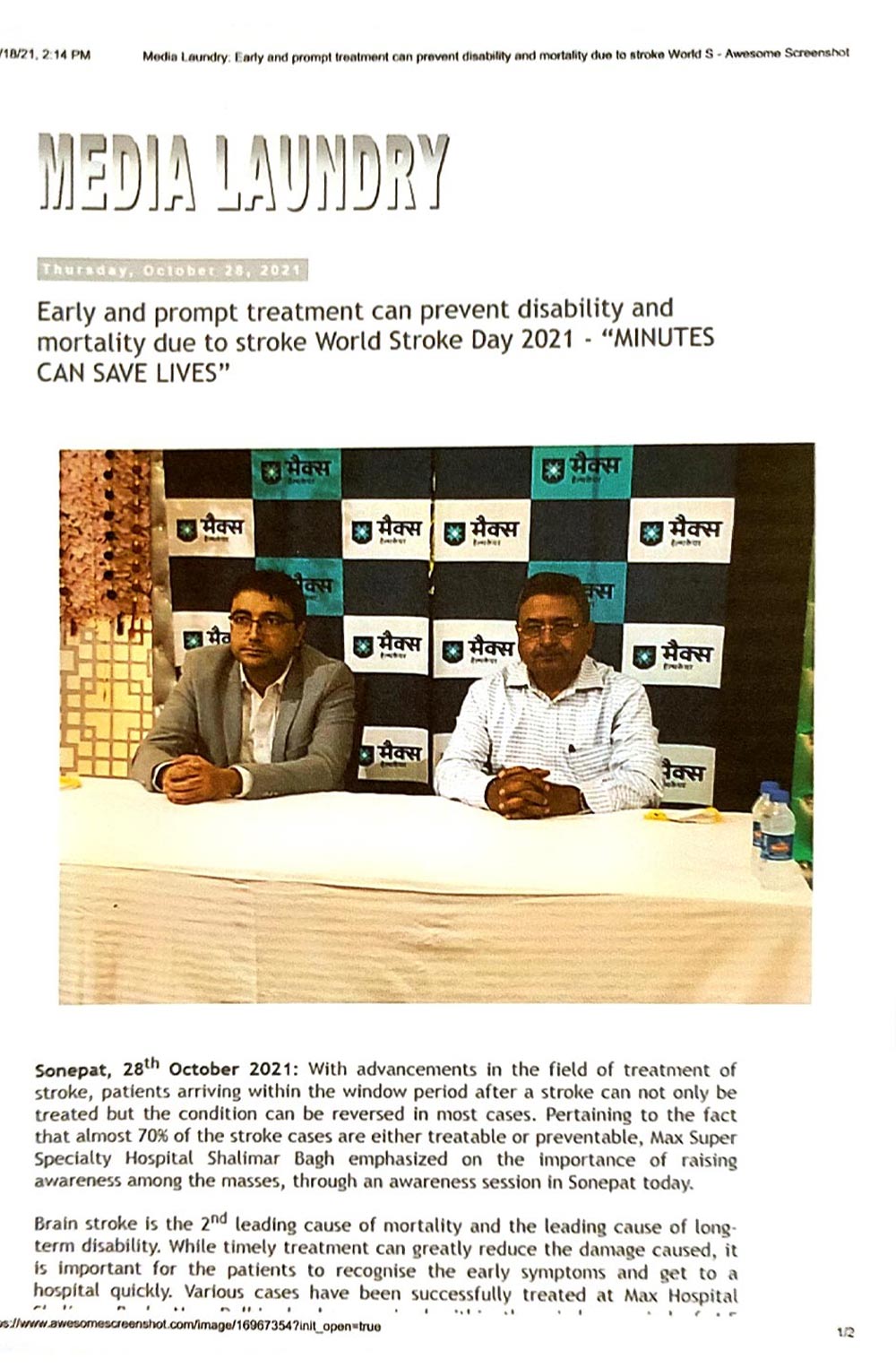
World Stroke Day 2025: Every Minute Counts — Uniting for Awareness, Action, and Prevention

On this world stroke day 29th October 2025; let us bring stroke advocacy and awareness together to aim to drive action by imparting education to the public on STROKE signs; imparting emergency care immediately for those experiencing symptoms; and mobilising communities to ask for better stroke prevention; treatment and rehabilitation.
Key actions include:
1. Awareness and immediate action: Recognising STROKE signs: learn B.E.F.A.S.T: balance problem; eye symptoms and signs; face dropping; arm weakness; speech difficulty; Time to call emergency services.
2. ACT FAST: Time lost is brain lost. Recognise early symptoms and signs and call emergency services immediately to get quick treatment to significantly improve outcomes.
3. Use of right resources like ambulance service: recognise that going to hospital via an ambulance allows for quicker diagnosis and treatment in comparison to driving yourself or someone else drive you.
Advocacy and systemic change
1. Advocate for better care: improving access to quality stroke treatment and rehabilitation in your community and globally.
2. support policy changes: prioritising stroke prevention like taxation on unhealthy products like smoking; better supervision systems to monitor stroke and its risks factors like hypertension; diabetes mellitus and dyslipidaemia.
3. focus on prevention: awareness drive about major risk factors for stroke like high blood pressure; diabetes mellitus; high cholesterol and smoking.
Community involvement
1. Spread a message: sharing information about stroke symptoms and importance of quick action within the community like friends; family and society members.
2. getting involved: active participation in awareness events; support stroke organisation; sharing stories to empower others and highlighting the need for action in STROKE.
STROKE IN YOUNG
Introduction:Everyone from any age group can suffer a stroke which can lead to devastating lifelong disabilities. Though the risk of stroke increases with age, stroke in young especially under 45 years are becoming more common with a research showing a 14.6% increase among people aged 18 -44 years from 2020 to 2024. The increase in young stroke is to some extent attributed to rise in risk factors like hypertension; diabetes; bad cholesterol; obesity; smoking which are now more prevalent in younger age groups.
Factors causing increased stroke risk in young:
1. Traditional risk factors: hypertension; diabetes; bad cholesterol; coronary artery disease; obesity.
2. sedentary life style; poor dietary habits; smoking; alcoholism
3. cervical artery dissection (arterial tear in neck arteries)
4. patent foramen ovale (a heart defect).
5. substance abuse: heroin; alcohol; cocaine
6. air pollution; high temperatures 7. Hyper homocysteinemia; low vitamin B12; folic acid levels
8. abnormal sleep patterns; hormonal contraceptives
9. 20-30% of stroke cases in young is unknown etiology. Effect of stroke in young is significant as it leads to higher mortality and disability which directly impacts quality of life and productivity. Increased burden leads to focus on prevention and treatment.
Management of stroke in young:
1. Prevention: life style changes like diet; exercise; yoga; smoking cessation). Early detection and treatment of diabetes; hypertension; bad cholesterol and obesity. Public awareness drive by various means to promote healthy life style and identification of stroke risk factors.
2. Treatment and secondary prevention: aggressive management as early as possible with all drugs and physical therapy can stop or reverse the disability caused by stroke. Identification of risk factors and rehabilitation helps to prevent future events. 80% of young stroke are ischemic and 20% are hemorrhagic.
Etiology subtypes: 1. Large artery atherosclerosis 2. Cardio embolism (atrial fibrillation; atrial flutter; cardiomyopathy). 3.Small vessel occlusion. 4. Stroke of other determined etiology( cerebral artery dissection; vasculitis; hematological diseases; malignancies; illicit drugs; thrombophilia; pregnancy and post partum). 5. Stroke of undetermined etiology ( cryptogenic).
Conclusion: With rise in stress and competition in way of life and other risk factors coming in play at a young age the risk of having a stroke before 50 years of age will increase in coming years. A alert society and alert government should focus on prevention of stroke and early identification and management to prevent mortality and disability in young. 15% of stroke occur in age group of 18-50 years; 1.5 million young adults worldwide suffer from stroke each year. The incidence of stroke in age group 20- 44 years has risen from 17 per 100000 in 1993 to 28 per 100000 in 2020.
Stroke symptoms in young adults similar to those in older adults
Sudden onset weakness or numbness in face; Arm or leg
Sudden change in speech
Sudden difficulty in walking or balance
Sudden severe headaches
Sudden change in vision
Types of stroke:
Ischemic stroke in which flow of blood and oxygen is disrupted causing damage to brain tissue. It represent 60% of strokes in patients younger than 50 years
Hemorrhagic stroke in which blood leaks out of blood vessels in or around brain result in damage of underlying tissue. It represents 40% of stroke in patients younger than 50 years. Overall stroke population 85% is ischemic stroke and 15% only hemorrhagic stroke.
Cervical arterial dissection results in 10-25% of stroke in young adults while only 2% of stroke above 65 years. Damage of the wall of large vessels in neck causes disruption of blood flow Spontaneously or intense physical pressure on neck with vigorous coughing; vomiting or weight lifting. Dissection can be seen in genetic disorders causing abnormal blood vessels. Dissection causes neck pain; headache; drooping eye lids before the onset of stroke symptoms.
Patent foramen ovale: it is a communication between the right and left side of the heart which enable clots from the leg to pass into blood vessels to the brain.
It is one of the rare cause of stroke in young
Underlying blood clot disorders can cause both ischemic and hemorrhagic stroke
Drug use like cocaine can cause stroke with a six fold increase in younger individuals when smoking was the method of use
Genetic disorders like Fabry disease or Moya moya disease can be associated with stroke
The recent increase in stroke frequency in young adults is due to increase in traditional cardiovascular risk factors in young individuals
Hypertension; type 2 diabetes mellitus; obesity; dyslipidaemia are seen with increasing frequency in young adults.
Additionally cigarettes smoking and sedentary life style are causing young strokes more
50% young stroke have hypertension; 14% have type 2 diabetes mellitus and 22% are obese
Modern imaging techniques like MRI detect stroke early and rapidly. It can detect the site of blood vessels blockage and accurate treatment
Age does not protect someone from stroke devastated effects. Unfortunately young adults reach ER late than older adults. Awareness about the disease should be spread so that they should reach ER like older adults as early as possible.
The modalities of treatment similar in older adults with all modalities of treatment equally effective
Prevention can be done by modifying modifiable risk factors like hypertension; dyslipidaemia; obesity and type 2 diabetes mellitus with control of cigarette smoking.
Early detection and aggressive treatment can modify the outcome and prevent stroke
Hypertension goes undetected and cause stroke; heart disease and kidney disease. Blood pressure assessment in young adults is a must.
Exercise and healthy eating help decrease the risk of stroke
Control of blood sugar; bad cholesterol; obesity; smoking and alcohol abuse can prevent 3/4 of stroke worldwide particularly in young patients.


Blog

What is a Stroke and How to Prevent It
A stroke is a serious medical condition that occurs when blood flow to a part of the brain is blocked or reduced, causing brain cells to die. It can lead to long-term disability, memory problems, or even death. Understanding the causes of a stroke and knowing how to prevent it is crucial for everyone. In this blog, we will explain what a stroke is, the risk factors involved, and ways to prevent it, both before and after having one.
Understanding a Stroke
A stroke happens due to a problem with the blood supply to the brain. There are two main types:
- Ischemic Stroke: The most common type, where a blood clot blocks a blood vessel in the brain.
- Hemorrhagic Stroke: Occurs when a blood vessel bursts in the brain, causing bleeding.
Both types can damage brain cells, leading to physical, emotional, or mental difficulties. The sooner a person receives medical attention during a stroke, the better the chances of recovery.

How to Prevent a Stroke at Home
Preventing a stroke often involves lifestyle changes and managing health conditions. Here are some simple steps you can take at home:
- Maintain a Healthy Diet: Eating a balanced diet rich in fruits, vegetables, whole grains, and lean proteins can help lower your risk. Avoid foods high in salt, sugar, and unhealthy fats, as these can increase blood pressure and cholesterol levels.
- Exercise Regularly: Aim for at least 30 minutes of moderate physical activity, like walking or cycling, most days of the week. Regular exercise can help keep your heart healthy and control your weight.
- Monitor Blood Pressure: High blood pressure is a major risk factor for strokes. Regularly checking your blood pressure and taking steps to keep it within a normal range can help reduce the risk.
- Avoid Smoking and Limit Alcohol Consumption: Smoking and excessive drinking can increase your risk of a stroke. If you smoke, seek help to quit, and if you drink alcohol, do so in moderation.

How to Prevent a Stroke After Having One
If you have already had a stroke, the chances of having another are higher. However, you can still take steps to lower the risk:
- Follow Your Doctor’s Recommendations: Make sure to take any prescribed medications, such as blood thinners or blood pressure medications, as directed by your healthcare provider.
- Regular Check-Ups: Regular visits to your doctor can help monitor your health and make any necessary adjustments to your treatment plan.
- Manage Chronic Conditions: Conditions like diabetes, high blood pressure, and high cholesterol should be controlled with the help of medications and lifestyle changes.
- Stay Active: Even after a stroke, staying physically active can help reduce the risk of another. Activities like walking or gentle exercises can improve your overall health.
How to Prevent a Second Stroke
Preventing a second stroke requires extra precautions:
- Take Medication as Prescribed: After a stroke, you may be prescribed medications like antiplatelets or anticoagulants to prevent blood clots.
- Maintain a Healthy Lifestyle: Continue eating healthily, exercising, and avoiding smoking or excessive alcohol consumption.
- Join a Stroke Rehabilitation Program: Such programs can help improve mobility, speech, and other skills, reducing the chances of having another stroke.
- Use Assistive Devices if Needed: If a stroke has affected your ability to walk or move, use a cane or walker to prevent falls and further complications.

How to Prevent a Stroke with Aspirin
Aspirin is often used to help prevent strokes, especially for people at high risk. It works by thinning the blood, which reduces the likelihood of blood clots forming. However, it’s essential to only take aspirin if your doctor recommends it, as it is not suitable for everyone. Taking aspirin without medical advice can cause bleeding issues or other side effects.

Can a Pacemaker Prevent a Stroke?
A pacemaker is a device that helps control abnormal heart rhythms. While it is not specifically designed to prevent strokes, it can help reduce the risk in some cases. Certain heart conditions, such as atrial fibrillation (an irregular heartbeat), can increase the chances of a stroke. By keeping the heart rhythm steady, a pacemaker can help reduce this risk. If you have a heart condition, discuss with your doctor whether a pacemaker might be beneficial for you.

Sciatica Treatment

There are five nerve roots that originate in the lower vertebrae, making the sciatic nerve the largest nerve in the body. The sciatic nerve connects the spinal cord to the skin and muscles in the lumbar spine region. It runs from the buttocks and quadriceps all the way down to the soles of the feet. In addition to transmitting sensation to the back of the thigh, a section of the lower leg, the sole, and the outer border, it regulates the muscles located in the back of the knee and the lower leg. Finding the best sciatica treatment is very important.
What is Sciatica?
Sciatica is a condition characterized by pain caused by inflammation of the sciatic nerve. This discomfort can feel like a severe leg cramp or a shooting pain that makes standing or sitting nearly impossible. The pain often extends from the lower back to behind the thigh and below the knee. In severe cases, it can be debilitating. For those suffering from sciatica, finding the best sciatica treatment is essential to managing the pain and improving quality of life. Consulting with Dr. Manoj Khanal, a best neurologist, can be crucial in receiving expert care and relief.
Potential Causes
Some potential causes of sciatica include:
- Herniated or slipped disc: The most common cause of sciatica, where a disc in the spine displaces and puts pressure on a nerve root, leading to pain.
- Spinal stenosis: A condition where the spinal canal narrows, placing pressure on the nerves.
- Spondylolisthesis: This occurs when one vertebra slips forward over the one below it, narrowing the space through which the sciatic nerve exits.
- Obesity: Excess weight can place additional pressure on the spine and vertebrae, potentially leading to sciatica.
- Piriformis syndrome: A condition where the piriformis muscle deep in the buttocks spasms and tightens, putting pressure on the sciatic nerve and aggravating the condition.
Symptoms
Sciatica is often associated with the following symptoms:
- A painful sensation that travels from the lower back or spine to the buttocks and down onto the leg.
- Pain in the affected area ranging from mild discomfort to severe, burning pain.
- Worsening of pain with coughing or sneezing.
- Numbness.
- A burning or tingling sensation in the legs.
- Weak muscles.
- Pain typically affects only one side of the body.
The severity of sciatica pain can vary widely. It might present as a sharp, stabbing pain or a dull ache that can be nearly unbearable. In extreme cases, sciatica is usually caused by irreversible damage to the sciatic nerve, and it often accompanies symptoms from other parts of the body, such as:
- Changes in bowel or bladder function.
- Sexual dysfunction.
- Symptoms appearing in both legs.
- Severe leg paralysis that restricts movement.
Sciatica Treatment
Following an assessment of your medical history and symptoms, the physician will perform a physical examination to assess muscle strength and reflexes. The doctor might suggest raising your legs while lying down, walking on your toes, or rising from a crouching position. They may also order one or more imaging tests, such as:
- X-rays
- MRIs
- CT scans
- Electromyograms
When it comes to choosing a best sciatica treatment, the options depend on the duration and severity of your symptoms, which may include:
- Rest
- Physical therapy
- Medications
- Lifestyle changes
- Surgical procedures
Mild sciatica pain usually resolves over time. Initially, you might need to take one or two days of rest, but it’s crucial to begin physical activity as soon as possible to maintain the strength of your muscles and spine. However, prolonged bed rest is not recommended, and returning to physical activity is essential.
Prevention of Sciatica
Medical professionals recommend several strategies to protect your back from recurring pain:
- Regular physical activity.
- Maintaining proper posture while sitting.
- Ensuring correct body mechanics.
If self-care measures have not alleviated your discomfort, it is advisable to consult with a neurologist or spine surgeon. Dr. Manoj Khanal, recognized as the best neurologist in Delhi, can provide expert care if your pain has persisted for more than a week, has become more severe, or has progressively worsened over time.

Treatment of Neurological Disorders

The nervous system, comprising the brain, spinal cord, and nerves, regulates all bodily functions, including swallowing, speaking, breathing, moving, and learning. Any issue within this system can significantly impact these essential functions. Neurological disorders, which affect the central or peripheral nervous system, impact hundreds of millions of people worldwide, involving the brain, central, and autonomic nervous systems.
Common Neurological Disorders
Neurological disorders are diverse and include conditions such as:
- Alzheimer’s disease
- Seizure disorders
- Stroke
- Brain tumors
- Nerve infections
- Multiple sclerosis
- Parkinson’s disease
- Headaches
- Parkinson’s Disease
Causes
Understanding the causes of neurological disorders is crucial for anyone experiencing or at risk of these conditions. The brain and spinal cord are protected by various membranes, while peripheral nerves are shielded beneath the skin. Damage to these protective barriers can lead to malfunction or disease in the nervous system. The causes of neurological disorders can include:
- Lifestyle factors
- Infections
- Genetic factors
- Nutritional deficiencies
- Physical injuries
- Environmental influences
Symptoms of Neurological Disorders
The symptoms of neurological disorders vary widely depending on the specific condition and the affected area of the body. Some disorders cause emotional distress, while others lead to physical pain.
Emotional Symptoms:
- Mood swings
- Outbursts
- Delusions
- Depression
Physical Symptoms:
- Partial or complete paralysis
- Weakness in the limbs
- Numbness
- Seizures
- Difficulty reading and writing
- Cognitive decline
- Unexplained pain
- Decreased concentration
If you or a loved one experiences these symptoms, it’s essential to seek medical help immediately. Dr. Manoj Khanal is the best neurologist for treating neurological disorders, offering expert care for a wide range of conditions.
Preventing Neurological Disorders
While some neurological conditions are prevalent, they can often be prevented by prioritizing overall health and well-being. Here are some tips to help prevent these disorders and maintain a healthy and alert mind:
- Regular Exercise: Engaging in consistent physical activity significantly reduces the risk of neurological diseases. Exercise also helps manage existing conditions like Alzheimer’s, enhancing energy, mood, sleep, and brain health, while reducing anxiety and depression.
- Avoid Smoking, Alcohol, and Drugs: These substances impair cognitive function, motivation, and memory. They can also increase the risk of cancer and other serious health issues.
- Nutrient-Rich Diet: A diet rich in Omega-3 fatty acids, found in foods like flaxseed, seafood, and nuts, supports brain function and reduces the risk of neurological disorders and developmental defects.
- Mindfulness and Prayer: In our fast-paced world, taking time to relax and appreciate life is essential. Chronic stress from a busy lifestyle can negatively impact health. Practices like mindfulness and prayer help reduce stress and improve overall well-being.
- Lifelong Learning: Maintaining a strong sense of purpose and staying active are crucial for mental health. Engaging in a variety of hobbies and continuously learning new skills throughout life helps preserve cognitive function.
Expert Neurological Care
For those seeking top-tier neurological care, Dr Manoj Khanal Kanpur offers outstanding neurology services. With the expertise of Dr. Manoj Khanal, the best neurologist for treating neurological disorders, provides the most effective treatment options, ensuring that patients receive the highest quality care.
OPD Slots
Max Super Speciality Hospital, Shalimar Bagh New Delhi:
Monday to Saturday: 12pm to 4pm
Except Sunday.
Clinic:
AB10; Shalimar Bagh; Delhi: 6pm to 10pm
1. Sonipat: Tulip Hospital: 3pm to 4pm every 2nd and 4th Thursday.
2. Panipat: Rabindra Hospital: 5pm to 7pm every 2nd and 4th Thursday.
3. Bahadurgarh: Mission Hospital: 1pm to 3pm. Last Sunday every month.
Book an Appointment